
Blog
The Real Cost of a "NYC Smile": Porcelain Veneers in Brooklyn
Brooklyn Pricing, Real Factors, and What Veneers Actually Cost in NYC
Written by a dental content team with clinical review by Dr. Michael Shaffer, focusing on evidence-based cosmetic dentistry and patient decision-making. This article is intended to help readers understand costs, risks, and long-term value before pursuing porcelain veneers in NYC.
An overview of How Much Do Porcelain Veneers Cost in NYC?
Porcelain veneers in NYC often range about $2,000 to $5,000 (and higher in premium cases) per tooth, though prices vary based on the dentist’s expertise, lab quality, case complexity, and customization level. Most smile makeovers involve 6–10 veneers. Only a consultation with a Brooklyn cosmetic dentist can provide an accurate estimate for your specific case.
Why Porcelain Veneers Are a Major Investment in NYC
You’ve seen the transformations on social media confident smiles that seem to glow from within. Porcelain veneers have become the go to solution for New Yorkers looking to correct chips, gaps, discoloration, or misaligned teeth. But when you start researching “porcelain veneers cost NYC,” the numbers can feel overwhelming, especially in a city known for premium pricing.
The truth is that veneers are an investment, and the price includes much more that just the porcelain. From the initial smile design consultation to the skilled lab technicians crafting your custom veneers, every step involves expertise, precision, and artistry. This guide breaks down exactly what you’re paying for, explores affordable options in Brooklyn, and assist you with financing and insurance so you can make an informed decision about your smile makeover.
What You're Actually Paying For: Veneers Price Per Tooth
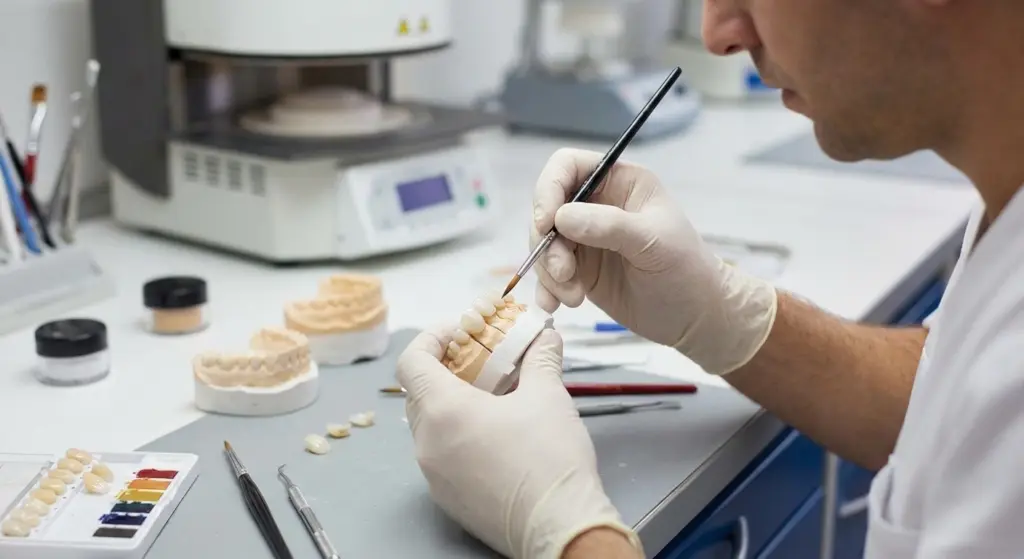
When you see a “price per tooth” quote, it can sound like you’re just buying a thin piece of ceramic. In reality, veneer fees usually include multiple appointments, planning, lab work, and precise placement.
The Complete Veneer Process (at a glance):
- Initial Consultation and Smile Design – Your dentist examines your teeth and discusses your goals. Some clinics show a digital preview of your new smile.
- Tooth Preparation – A small amount of enamel is gently removed to make room for the veneers.
- Custom Lab Fabrication – Your veneers are custom-made in a dental lab to match your ideal shade and shape.
- Temporary Veneers You’ll wear temporary veneers for 2–3 weeks to protect your teeth and preview your smile.
- Bite Adjustment and Gum Contouring Your dentist checks the fit, bite, and gum line, making small adjustments if needed.
- Bonding and Final Placement The veneers are permanently bonded and polished for a natural, long-lasting smile.
Why NYC Prices Run Higher
New York City overhead rent, staffing, malpractice/liability coverage, and dental lab fees tends to be higher than in many other U.S. markets. In addition, cosmetic veneer cases often require more planning time, advanced smile-design skills, and close collaboration with a high-quality lab. You’re not only paying for the porcelain, you’re paying for the expertise and detail work that helps veneers look natural and feel comfortable in your bite.
Treatment Planning
Smile Makeover NYC: How Many Veneers Do You Actually Need?
One of the most common questions patients ask is: “Do I need to veneer all my teeth?”
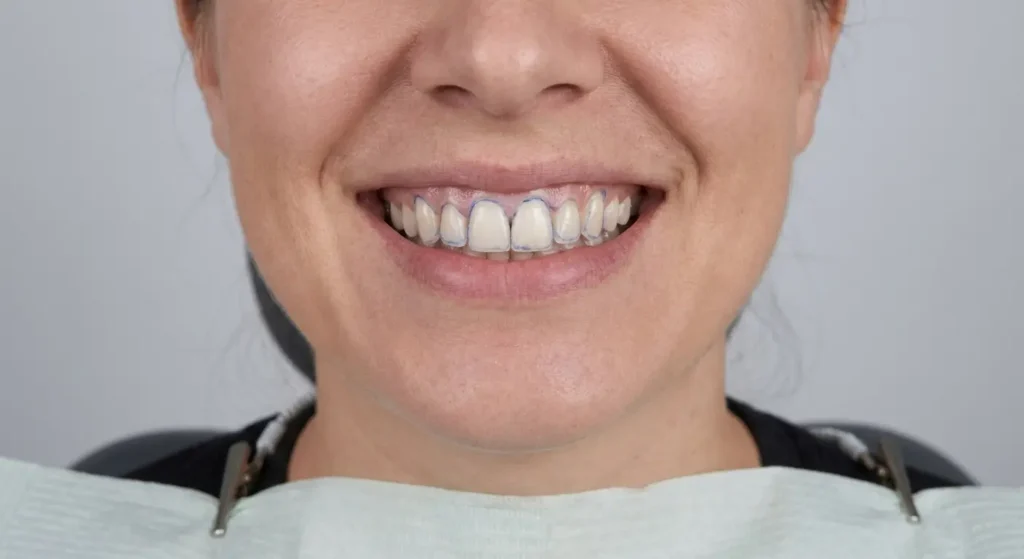
The answer depends on your smile zone the teeth visible when you smile and talk. For most people, this includes:
Understanding Your Smile Zone
- Upper Front 6–8 Teeth: Almost always treated (the most visible teeth)
- Upper First Premolars: Added if you have a wider smile
- Lower Front Teeth: Sometimes included if lower teeth Only if they show clearly when you smile
Typical Smile Makeover Scenarios
- Minimal correction (6 veneers): Minor fixes like small gaps or light discoloration
- Standard smile makeover (8 veneers): Most common option for a balanced, natural smile
- Full smile design (10+ veneers): Full smile transformation (upper teeth + some lower teeth)
The process will be Your Brooklyn cosmetic dentist will photograph your smile from multiple angles and may use digital imaging to determine exactly which teeth need treatment. Some patients only need veneers on 4–6 teeth if they’re primarily correcting a specific concern like spacing or a single dark tooth.
Alternatives & Comparisons
Porcelain Veneers vs. Other Smile Enhancement Options:
Veneers aren’t the only way to improve your smile. Depending on your needs and budget, these alternatives may be suitable:
|
Treatment Option
|
What It Is
|
Best For
|
Limitations
|
|---|---|---|---|
|
Porcelain Veneers
|
Thin porcelain shells bonded to the front of teeth
|
Smile makeovers, discoloration, gaps, shape issues
|
Higher cost; some enamel removal
|
|
Cosmetic Dental Bonding
|
Tooth-colored resin sculpted directly on the tooth
|
Small chips, minor gaps, single-tooth fixes
|
Stains over time; less durable
|
|
Whitening + Bonding
|
Teeth whitening followed by bonding for touch-ups
|
Brightening healthy teeth with small imperfections
|
Can’t fix major alignment or damage
|
|
Dental Crown
|
Full-coverage caps placed over the entire tooth
|
Weak, broken, or heavily restored teeth
|
More tooth reduction; mainly functional
|
Cost-Saving Strategies (Without Compromising Safety)
Affordable Veneers Brooklyn: How to Reduce Costs Without Cutting Corners
Living in NYC doesn’t mean you have to sacrifice quality for affordability. There are legitimate, safe ways to make porcelain veneers more accessible without compromising your smile or oral health.
Strategic Treatment Planning-Focus on the teeth most visible in your smile zone. Many patients achieve dramatic results with 6–8 upper veneers rather than full-mouth treatment.
- Explore Brooklyn vs. Manhattan Pricing-Brooklyn pricing can be more competitive than some Manhattan practices due to differences in overhead costs such as rent and staffing. Williamsburg practices like Toothology offer sophisticated care without the premium Manhattan markups.
- Ask About Practice Promotions-Some dental offices offer seasonal discounts, new patient specials, or package pricing for multiple veneers. These offers may not always be advertised, so it’s worth asking during your consultation.
- Consider Treatment Timing-Scheduling during slower months (typically January–March) may give you more flexibility to negotiate payment plans or take advantage of promotional offers.
- Verify What’s Included-Always request a detailed treatment estimate that clearly outlines what’s included in the quoted price, such as:
- Number of appointments
- Temporary veneers
- Lab fees
- Adjustments and refinements
- Warranty or guarantee terms
Some practices bundle everything into one comprehensive fee, while others may charge separately for temporaries or additional visits. Understanding this upfront helps you avoid unexpected costs.
Warning About “Cheap” Veneers: Be extremely cautious of social media ads promoting veneers at unusually low prices . Some of these are illegal operations run by unlicensed “veneer techs” who lack proper dental training. According to recent reporting, these providers have caused serious damage to patients’ teeth and health. Always verify that your provider is a licensed dentist in New York State by checking the NYSED Office of the Professions website before starting treatment.
Insurance & Benefit Options
Dental Insurance Coverage: What's Realistic for Veneers
most dental insurance plans classify porcelain veneers as cosmetic procedures and do not cover them. That said, there are a few specific exceptions and smart strategies worth exploring before assuming you’ll pay entirely out of pocket.
When Insurance Might Contribute
- Trauma or Injury-If a tooth was damaged due to an accident or injury, insurance may cover part of the restoration, especially if veneers are used to restore function or structure.
- Developmental Defects-Severe conditions such as enamel hypoplasia or other congenital defects may qualify for partial coverage when veneers are deemed medically necessary.
- Functional Issues-In some cases, veneers may be part of treatment for documented functional problems such as bite abnormalities or TMJ-related issues. Coverage depends heavily on clinical documentation.
How to Check Your Benefits
- Call your insurance company’s customer service line
- Ask specifically: “Does my plan cover porcelain veneers under any circumstances?”
- Request a pre-determination of benefits by having your dentist submit treatment details
- Get the response in writing to avoid surprises
Flexible Spending Accounts (FSA) and Health Savings Accounts (HSA)
Even without insurance coverage, you may be able to use HAS/FSA in certain situations. (often requires medical documentation).
Financing and Payment Planning
Dental Financing NYC: Planning Your Investment
Most Brooklyn cosmetic dentists offer multiple financing options to make veneers accessible without requiring full upfront payment.
Third-Party Healthcare Financing
CareCredit -The most widely accepted healthcare credit card offers promotional periods with 0% interest if paid within 6, 12, or 24 months (depending on the promotion). After the promotional period, rates can be high (often up to ~30%+ APR), so it’s crucial to pay off the balance on time.
LendingClub Patient Solutions Provides fixed-rate loans specifically for medical and dental procedures. Terms range from 24–84 months with interest rates based on credit profile. Monthly payments are clearly defined upfront, which helps with long-term budgeting.
Sunbit A point-of-sale financing option many dental offices now offer. Approval decisions are typically fast, and patients can choose from several payment plan options.
Proceed Finance Similar to other patient financing services with competitive rates for qualified borrowers. Many practices partner with multiple lenders to maximize approval rates.
In-House Payment Plans
Some dental practices offer their own financing arrangements, allowing you to pay in instalments directly to the office. These may not require credit checks but could require a down payment and may charge modest interest or administrative fees.
Important Considerations:
- Credit approval is required for most financing options
- Interest rates vary based on creditworthiness
- Missing payments can result in deferred interest charges
- Read all terms carefully before signing
Always ask your dental office what financing partners they work with and whether they can help with the application process.
Value and Longevity
Are Veneers Worth It in NYC? Longevity and Value Over Time
The cost of veneers might seem significant upfront, but understanding their longevity helps put the investment in perspective.
Expected Lifespan
Research and clinical experience suggest porcelain veneers typically last 10–15 years with proper care. Some patients get 20+ years from their veneers, while others may need replacement sooner due to:
- Teeth grinding (bruxism)
- Gum recession exposing margins
- Accidents or trauma
- Changes in bite alignment
Cleveland Clinic notes veneers often last 10–15 years with proper care. Many dental resources (including ADA-referenced guidance) commonly cite around 10 years as a typical benchmark, though results vary by habits and bite.
Cost Per Year of Use
If your 8-veneer smile makeover costs $12,000 and lasts 12 years, that’s $1,000 per year—or less than $3 per day—for a transformed smile. Many patients report:
- Increased confidence in professional settings
- Greater willingness to smile in photos
- Improved self-esteem in social situations
- Better dental hygiene habits (protecting their investment)
Maintenance Requirements
Veneers require the same basic care as natural teeth:
- Brush twice daily with non-abrasive toothpaste
- Floss daily (especially important at veneer margins)
- Visit your dentist every 6 months for professional cleanings
- Avoid using teeth as tools (opening packages, biting nails)
- Wear a nightguard if you grind your teeth
Unlike natural enamel, Porcelain is highly stain-resistant, but staining/discoloration can still happen (especially at margins) .So hygiene + cleanings matter.
What Happens If a Veneer Chips or Debonds?
Minor edge chips can sometimes be polished smooth. If a veneer debonds, your dentist will evaluate whether it can be re-bonded. If it’s damaged or no longer fits properly, it may need replacement. Most dentists keep records of your original shade and can match it closely, though slight variations may occur if the lab or materials have changed.
Some practices offer warranties or guarantee covering defects within the first 1–5 years. Ask about this during your consultation.
Choosing the Right Provider

Choosing a Brooklyn Cosmetic Dentist: Your Trust Checklist
The skill and artistry of your dentist matter just as much as the quality of materials used.
· Verify Credentials
Check NY State Licensure: Visit the New York State Education Department’s Office of the Professions website (eservices.nysed.gov) to Confirm the dentist is licensed and currently registered, and review any listed disciplinary/enforcement actions
Look for Advanced Training: Look for advanced training and case-based education. AACD membership can be a positive sign, and AACD Accreditation is an even stronger indicator because it involves a formal credentialing process.
· Review Before-and-After Photos
Review the actual patient cases:
- Natural-looking results that complement facial features
- Variety in cases (different ages, smile types, corrections)
- Consistent quality across multiple patients
· Understand Their Process
During your consultation, your dentist should:
- Examine your teeth, gums, and bite thoroughly
- Discuss your specific goals and expectations
- Explain treatment options (not just veneers)
- Show you a projected timeline
- Provide a detailed cost breakdown
Be wary of any practice that rushes you into treatment or promises “perfect” results without a comprehensive evaluation.
- Ask About Lab Partnerships
- Read Patient Reviews Thoughtfully
Urgent Care Guidance
When to Call a Dentist Urgently
While exploring cosmetic veneer options rarely requires urgent care, these situations warrant immediate attention:
Existing Veneer Emergency:
- A veneer has fallen off or broken, exposing sensitive prepared tooth structure
- Sharp edges are cutting your tongue or cheek
- Sudden pain or sensitivity in a veneered tooth (could indicate underlying decay or fracture)
Pre-Treatment Concerns:
- Severe toothache or abscess (must be treated before cosmetic work)
- Gum swelling, bleeding, or infection
- Trauma that has cracked or broken teeth
Post-Treatment Issues:
- Persistent pain beyond the expected adjustment period
- Inability to bite normally
- Allergic reaction to materials (extremely rare but possible)
Practical Patience Guidance
Before Your Consultation
- Save images of smiles you admire, but understand your result will be customized to your facial structure, skin tone, and personal features.
- Be ready to articulate what bothers you most about your current smile (color, shape, alignment, gaps, etc.)
- Know Your Budget Range
During Treatment
- Communicate Openly
- Pay attention to how temporary veneers feel and look.
- Be Patient with Adjustments.
After Placement
- If you grind your teeth (many people do unconsciously), Use a nightguard protects your investment.
- Consider an electric toothbrush and water flosser to keep veneers and gums pristine.
- Avoid Staining Habits on Natural Teeth
- Schedule Regular Dental Visits
Frequently Asked Questions
Porcelain veneers in NYC typically cost $1,200–$2,500 per tooth. The price depends on the dentist's experience, lab quality, case complexity, and geographic location within the city. Brooklyn practices often offer competitive pricing compared to Manhattan. A consultation provides an accurate estimate for your specific needs.
NYC overhead costs including rent, staff salaries, liability insurance, and premium dental lab fees—are significantly higher than most U.S. cities. Additionally, many NYC cosmetic dentists have advanced training and extensive experience that commands higher fees. The investment often reflects expertise that produces superior aesthetic results.
Most smile makeovers involve 6–10 veneers on the upper teeth. The exact number depends on your smile width and how many teeth show when you talk and smile. Some patients need only 6 (front teeth), while others require 8–10 for comprehensive coverage. Your dentist will photograph your smile to determine the ideal number.
Veneers require removal of a thin layer of enamel (0.5–0.7mm), which is permanent but does not "ruin" your teeth when performed correctly. The tooth structure underneath remains healthy and functional. However, because enamel is removed, the tooth will always need some type of restoration (veneer, crown, or bonding) going forward.
Veneers are considered a permanent treatment because enamel removal is irreversible. However, the veneers themselves are not permanent—they typically last 10–15 years before needing replacement due to normal wear, gum changes, or aesthetic updates. With proper care, some patients get 20+ years from their veneers.
Clinical studies and patient experiences suggest porcelain veneers typically last 10–15 years with proper care. Factors affecting longevity include oral hygiene, teeth grinding, bite forces, gum health, and avoiding trauma. Some veneers last 20+ years, while others may need replacement sooner if damaged or if gums recede significantly.
If a veneer chips, minor edge fractures can sometimes be polished smooth. Larger chips or a veneer that debonds requires replacement of that individual veneer. Call your dentist promptly—exposed prepared tooth structure can be sensitive. Most dentists keep records of your case to match the replacement veneer to your existing ones.