
- Beginner's Guide · NY Cosmetic Dentistry
Transforming Your Smile: The Beginner's Guide to NY Cosmetic Dentistry
Veneers, bonding, whitening, Invisalign — what’s the difference, what’s realistic, and how do you avoid a result that looks artificial? Clear answers for first-time patients.
If you’ve ever caught yourself covering your mouth when you laugh, or hesitated before a photo because you weren’t happy with your smile — you’re not alone. Cosmetic dentistry in Brooklyn has grown significantly in recent years, not because everyone is chasing a Hollywood ideal, but because more people are realizing that confidence in your smile affects how you move through the world.
The challenge is that cosmetic dentistry can feel overwhelming for first-time patients. Veneers, bonding, whitening, Invisalign, smile makeovers — what’s the difference? What’s realistic for your budget and timeline? And how do you avoid spending money on something that ends up looking artificial?
The Rise of NY Cosmetic Dentistry: Your Options

New York has always been a city where first impressions can matter — in a job interview, a pitch meeting, a first date, or simply walking into your day feeling your best. Most patients scheduling a cosmetic dentistry consultation in Brooklyn aren’t asking for the whitest, most uniform teeth imaginable. They’re asking for something more nuanced: a smile that looks like a natural, enhanced version of their own.
The Most Common Smile Concerns Cosmetic Dentistry Can Address
- Old or discoloured bonding/restorations that no longer match nearby teeth
- Chipped, cracked, or worn front edges
- Small gaps between teeth, including a front-tooth gap (diastema)
- Uneven tooth length, shape, or surface texture
- Mild to moderate crowding or spacing
- Uneven gum lines — too much or too little tooth showing
- Old or discoloured bonding/restorations that no longer match nearby teeth
- Multiple concerns combined — addressed in a phased smile makeover plan
HEALTH FIRST
Cosmetic dentistry isn’t a substitute for treating oral health problems. If you have cavities, active gum disease, or structurally compromised teeth, those issues need to be addressed first — cosmetic work built on an unstable foundation won’t hold up.
What Is Cosmetic Dentistry?
Cosmetic dentistry focuses on improving the appearance of your teeth, gums, and overall smile — while ideally supporting or maintaining function at the same time.
The line between cosmetic and functional isn’t always sharp. Bonding can repair a chip and protect the tooth. Invisalign improves appearance, but straighter teeth can also be easier to clean and less prone to uneven wear.

What Cosmetic Dentistry Typically Addresses
Tooth discolouration
coffee, tea, wine, tobacco, and some medications — note that whitening only works on natural enamel
Chips and minor fractures
often correctable with bonding or veneers
Gaps and spacing
bonding, veneers, or aligners depending on size and bite
Shape and symmetry issues
reshaping, bonding, or veneers depending on severity
Mild crowding or misalignment
often treatable with Invisalign or clear aligners in appropriate cases
Uneven gum lines
gum contouring can create a more symmetrical "frame" for the teeth
Most cosmetic dentistry questions come down to one core dilemma: which treatment fits your specific concern? The answer depends on what you’re starting with, how much change you want, how quickly you need results, and what maintenance you’re comfortable with.
Teeth Whitening
Brightest results for natural enamel
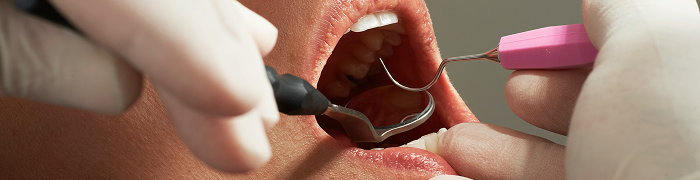
Professional whitening is often the simplest entry point into cosmetic dentistry. It’s best for patients whose primary concern is dullness or staining on natural enamel. It will not change the colour of crowns, veneers, or existing bonding — so planning matters if you have visible restorations.
- Surface stains
- General yellowing
- Natural enamel only
- Pre-veneer shade baseline
In-Office
Same Day
In-Office
Same Day
In-Office
Same Day
Dental Bonding
Quick fix for chips, gaps & minor shape changes
Bonding uses tooth-coloured composite resin applied directly to the tooth, shaped, and hardened in place — often in a single visit and frequently without anesthesia for purely cosmetic changes. It’s one of the most affordable and fast entry points in cosmetic dentistry.
- Small chips
- Small chips
- Worn edges
- Subtle shape tweaks
Worth Knowing
Composite can stain over time and may chip under heavy bite pressure. With proper care, bonding often lasts several years, but it may need touch-ups or eventual replacement.
Timeline
Often One Visit
Durability
Several years with care
Upkeep
Same Touch-ups as needed
Porcelain Veneers
Shape, colour, symmetry & stubborn discolouration
Porcelain veneers are thin custom shells bonded to the front surface of teeth. They can address concerns that whitening or bonding often can’t — including stubborn discolouration, uneven lengths, asymmetry, and overall smile harmonisation.
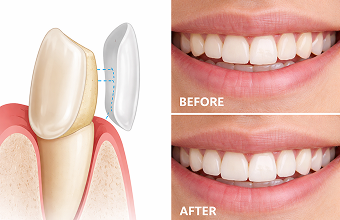
A small amount of enamel is usually removed (a permanent change), temporaries may be placed, and the final veneers are bonded after lab fabrication. Veneers can look extremely natural when shade and shape are selected carefully. Results look artificial when planning is rushed and teeth are made too white or too uniform.
- Stubborn discolouration
- Uneven lengths
- Shape & asymmetry
- Minor spacing
- Smile harmonisation
Timeline
2–3 visits / 2–4 weeks
Longevity
10+ years with care
Note
Nightguard helps grinders
Invisalign & Clear Aligners
Straightening without the metal
Clear aligners are popular for adults and older teens who want straighter teeth discreetly. Treatment often ranges from several months to 12+ months depending on complexity. Success depends on compliance — aligners typically need to be worn 20–22 hours per day.
Clear aligners are best for mild to moderate crowding, spacing, and certain bite adjustments. Not every case qualifies. Retainers are necessary after treatment to maintain results.
- Mild–moderate crowding
- Spacing issues
- Discreet straightening
- Adults & older teens
Timeline
Months to 12+
Wear Time
20–22 hrs/day
After Treatment
Retainers required
Treatment Comparison at a Glance
| Treatment | Best For | Typical Timeline | Durability & Upkeep |
|---|---|---|---|
| Teeth Whitening | Surface stains, yellowing on natural teeth |
In-office: same day Take-home: 1–2 weeks |
Touch-ups every 6–18 months depending on habits |
| Dental Bonding | Small chips, worn edges, minor gaps, quick shape tweaks | Often one visit | Can last years; more prone to staining/chipping than veneers |
| Porcelain Veneers | Shape, colour, symmetry, stubborn discolouration, worn edges | 2–3 visits / 2–4 weeks | May last 10+ years; cannot be whitened; nightguard may help grinders |
| Invisalign / Clear Aligners | Mild–moderate crowding or spacing; discreet straightening | Months to 12+ | Retainers required after; wear 20–22 hours/day for best outcome |
The Smile Makeover Process at Toothology
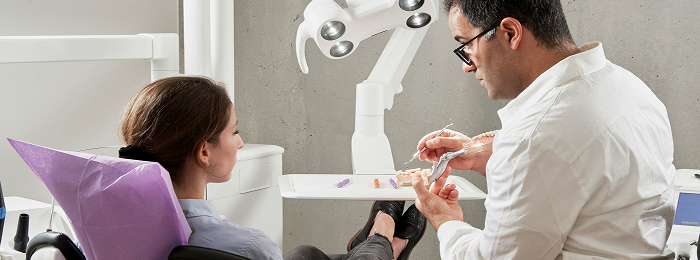
“Smile makeover” simply means a coordinated plan that addresses multiple concerns in the right sequence. It’s not a single procedure — it’s a phased approach designed to get lasting, natural-looking results.
A Common Smile Makeover Order
Treat Oral Health Needs First
Cavities, gum therapy, and any structural issues must be resolved before cosmetic work begins. Cosmetic results won’t hold on an unhealthy foundation.
Address Alignment If Needed
Invisalign or clear aligners take months — start earlier in the plan so alignment is complete before bonding or veneers are placed.
Whitening to Establish Shade Baseline
Whiten natural enamel first to establish the target shade. Bonding or veneer shades are then matched to the whitened teeth.
Bonding or Veneers to Refine & Finalise
Shape, symmetry, and surface texture are refined as the final step — building on the healthy, aligned, shade-corrected foundation.
Natural-Looking Results: What Actually Goes Into Them
The difference between a naturally beautiful smile and an “obvious dental work” look often comes down to three factors — and none of them are about spending more money.
Treat Oral Health Needs First
Extremely bright shades can look unnatural on many faces. The best shade complements your skin tone and features — it shouldn’t be obvious.
Tooth Proportions
Perfect uniformity can look artificial. Natural smiles have slight variation in shape and length — a skilled cosmetic dentist preserves this character.
Facial Harmony
Your teeth should match how your lips, cheeks, and jawline move when you smile — not just how they look in a static photo.
What to Expect at a Cosmetic Dentistry Consultation in Brooklyn
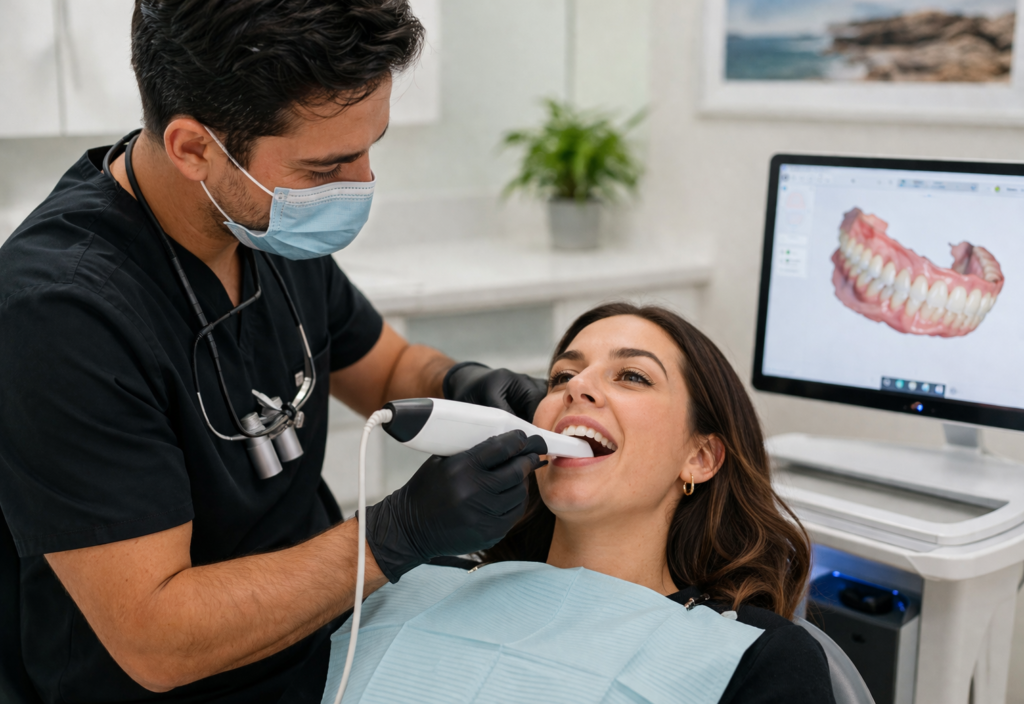
Porcelain veneers are thin custom shells bonded to the front surface of teeth. They can address concerns that whitening or bonding often can’t — including stubborn discolouration, uneven lengths, asymmetry, and overall smile harmonisation.
- What Usually Happens
- Photos and smile analysis to document your starting point
- Digital impressions or scans for veneers, bonding, or aligners
- Shade analysis — current shade and target shade discussion
- Bite and gum assessment to determine what's safe long-term
- Goals conversation — what bothers you most, what "natural" looks like to you, your timeline
- What to Bring
- Inspiration photos — even general "vibes" help the planning conversation
- Insurance info and any coverage details you have
- Timeline or event dates that matter to you
- Your current medication list
- A written list of your specific concerns, in priority order
Investing in Your Confidence: Understanding Costs
The honest answer to “is this worth it?” depends on the treatment, what’s driving the decision, and whether your expectations are realistic. Cosmetic dentistry isn’t cheap, and it would be misleading to suggest otherwise.
Value comes from a combination of: how long results last, how much the change improves day-to-day confidence, and whether the plan fits your actual goals — not an idealised template.
A Common Smile Makeover Order
Materials
Porcelain usually costs more than composite but is more stain-resistant and lifelike. Material choice has a significant impact on both cost and longevity.
Lab Work
Veneers involve a dental lab fabrication step. Bonding is done chairside. Lab involvement adds cost but typically improves precision and aesthetics.
Number of Teeth
Treating one tooth vs. a full arch changes scope dramatically. More teeth means more material, more time, and more lab work.
Complexity & Specialists
Bite issues, gum work, or preliminary treatment affect total investment. Periodontal, orthodontic, or endodontic involvement may add fees.
How to Choose the Right Option for Your Smile
| Your Concern | Likely Best Starting Point |
|---|---|
| Yellow or stained teeth (natural enamel) | →Professional whitening — in-office or take-home |
| Small chip, worn edge, or tiny gap | →Dental bonding |
| Uneven shape, size, or stubborn discolouration | →Porcelain veneers — consultation required |
| Mild to moderate crowding or spacing | →Invisalign or clear aligners |
| Multiple concerns combined | →Smile makeover planning — phased approach |
| Stained crowns, bridges, or old bonding | →Replacement — whitening won't change these |
| Uneven gum line affecting smile symmetry | →Gum contouring — often before veneers or bonding |
| Gap between front teeth (diastema) | →Bonding (small gap) or Invisalign/veneers (larger gap) |
Frequently Asked Questions
What is cosmetic dentistry?
Cosmetic dentistry refers to dental treatments focused primarily on improving the appearance of your teeth and smile.
How much does cosmetic dentistry cost?
Costs vary based on the treatment, number of teeth, materials used, and complexity. Whitening is typically the most accessible option; Invisalign and veneers are larger investments. The best step is to request an itemized treatment plan during your consultation.
How much do veneers typically cost?
Veneer costs depend on material (porcelain vs composite), how many teeth are treated, and how much preparation is needed. Porcelain veneers typically cost more but are often longer lasting and more lifelike. Prices also vary by practice and location.
Do veneers ruin your teeth?
It depends on what “ruin” means. Traditional porcelain veneers require removing a small amount of enamel—a permanent change—so the tooth will always need a veneer or crown afterward. When done correctly, veneers don’t “damage” teeth, but they do permanently modify them.
How much is teeth whitening in NYC?
Pricing varies by system and practice. In-office whitening usually costs more than take-home professional kits. For accurate pricing, ask the practice what whitening options they offer and what’s included.
How to find a good dentist in NYC/Brooklyn?
Start with referrals from people you trust. Look for transparent credentials, strong patient reviews, and a consultation style that listens to your goals and sets realistic expectations.
READY TO EXPLORE YOUR OPTIONS?
Book a no-pressure consultation at Toothology. We’ll review your goals, assess what’s realistic, and build a plan around you.
CALL US DIRECTLY
IN THIS GUIDE
TOOTHOLOGY DENTAL
Williamsburg, Brooklyn, NY
Serving Greenpoint, Bushwick, Bed-Stuy & Downtown Brooklyn
718-678-3800
Emergency line available
Open Hours
Mon – Thu: 10:00 AM – 6:00 PM Friday: 10:00 AM – 2:00 PM Sunday: 10:00 AM – 2:00 PM Saturday: Closed
OUR COMMITMENT
- Board-Certified Pediatric Dentists
- Child-Friendly, Anxiety-Reducing Care
- Same-Day Emergency Slots
- Low-Radiation Digital X-Rays
- Most Major Insurance Accepted