
The Real Cost of a “NYC Smile”: Porcelain Veneers in Brooklyn
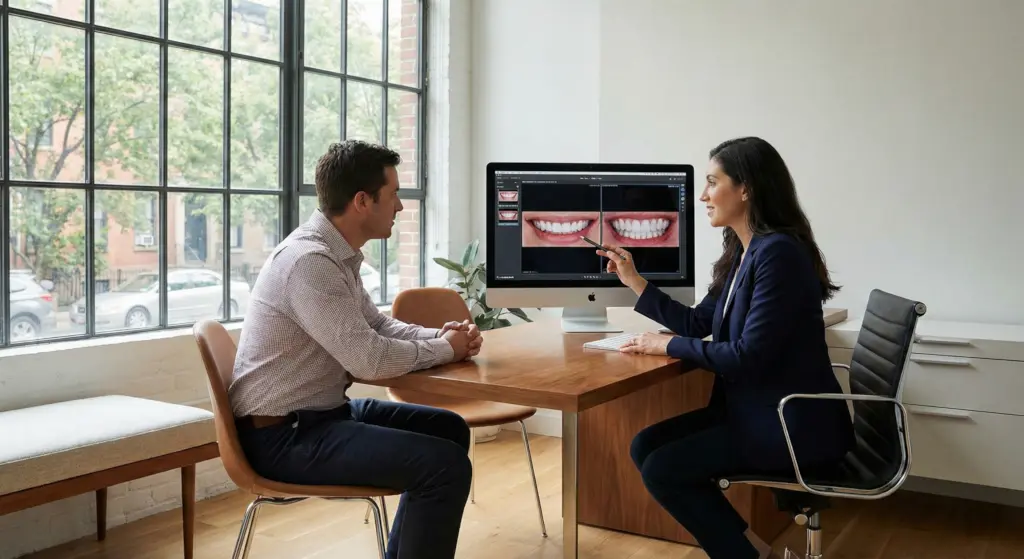
Blog The Real Cost of a “NYC Smile”: Porcelain Veneers in Brooklyn Brooklyn Pricing, Real Factors, and What Veneers Actually Cost in NYC Written by a dental content team with clinical review by Dr. Michael Shaffer, focusing on evidence-based cosmetic dentistry and patient decision-making. This article is intended to help readers understand costs, risks, and long-term value before pursuing porcelain veneers in NYC. An overview of How Much Do Porcelain Veneers Cost in NYC? Porcelain veneers in NYC often range about $2,000 to $5,000 (and higher in premium cases) per tooth, though prices vary based on the dentist’s expertise, lab quality, case complexity, and customization level. Most smile makeovers involve 6–10 veneers. Only a consultation with a Brooklyn cosmetic dentist can provide an accurate estimate for your specific case. Why Porcelain Veneers Are a Major Investment in NYC You’ve seen the transformations on social media confident smiles that seem to glow from within. Porcelain veneers have become the go to solution for New Yorkers looking to correct chips, gaps, discoloration, or misaligned teeth. But when you start researching “porcelain veneers cost NYC,” the numbers can feel overwhelming, especially in a city known for premium pricing. The truth is that veneers are an investment, and the price includes much more that just the porcelain. From the initial smile design consultation to the skilled lab technicians crafting your custom veneers, every step involves expertise, precision, and artistry. This guide breaks down exactly what you’re paying for, explores affordable options in Brooklyn, and assist you with financing and insurance so you can make an informed decision about your smile makeover. What You’re Actually Paying For: Veneers Price Per Tooth When you see a “price per tooth” quote, it can sound like you’re just buying a thin piece of ceramic. In reality, veneer fees usually include multiple appointments, planning, lab work, and precise placement. The Complete Veneer Process (at a glance): Initial Consultation and Smile Design – Your dentist examines your teeth and discusses your goals. Some clinics show a digital preview of your new smile. Tooth Preparation – A small amount of enamel is gently removed to make room for the veneers. Custom Lab Fabrication – Your veneers are custom-made in a dental lab to match your ideal shade and shape. Temporary Veneers You’ll wear temporary veneers for 2–3 weeks to protect your teeth and preview your smile. Bite Adjustment and Gum Contouring Your dentist checks the fit, bite, and gum line, making small adjustments if needed. Bonding and Final Placement The veneers are permanently bonded and polished for a natural, long-lasting smile. Why NYC Prices Run Higher New York City overhead rent, staffing, malpractice/liability coverage, and dental lab fees tends to be higher than in many other U.S. markets. In addition, cosmetic veneer cases often require more planning time, advanced smile-design skills, and close collaboration with a high-quality lab. You’re not only paying for the porcelain, you’re paying for the expertise and detail work that helps veneers look natural and feel comfortable in your bite. Treatment Planning Smile Makeover NYC: How Many Veneers Do You Actually Need? One of the most common questions patients ask is: “Do I need to veneer all my teeth?” The answer depends on your smile zone the teeth visible when you smile and talk. For most people, this includes: Understanding Your Smile Zone Upper Front 6–8 Teeth: Almost always treated (the most visible teeth) Upper First Premolars: Added if you have a wider smile Lower Front Teeth: Sometimes included if lower teeth Only if they show clearly when you smile Typical Smile Makeover Scenarios Minimal correction (6 veneers): Minor fixes like small gaps or light discoloration Standard smile makeover (8 veneers): Most common option for a balanced, natural smile Full smile design (10+ veneers): Full smile transformation (upper teeth + some lower teeth) The process will be Your Brooklyn cosmetic dentist will photograph your smile from multiple angles and may use digital imaging to determine exactly which teeth need treatment. Some patients only need veneers on 4–6 teeth if they’re primarily correcting a specific concern like spacing or a single dark tooth. Alternatives & Comparisons Porcelain Veneers vs. Other Smile Enhancement Options: Veneers aren’t the only way to improve your smile. Depending on your needs and budget, these alternatives may be suitable: Treatment Option What It Is Best For Limitations Porcelain Veneers Thin porcelain shells bonded to the front of teeth Smile makeovers, discoloration, gaps, shape issues Higher cost; some enamel removal Cosmetic Dental Bonding Tooth-colored resin sculpted directly on the tooth Small chips, minor gaps, single-tooth fixes Stains over time; less durable Whitening + Bonding Teeth whitening followed by bonding for touch-ups Brightening healthy teeth with small imperfections Can’t fix major alignment or damage Dental Crown Full-coverage caps placed over the entire tooth Weak, broken, or heavily restored teeth More tooth reduction; mainly functional Cost-Saving Strategies (Without Compromising Safety) Affordable Veneers Brooklyn: How to Reduce Costs Without Cutting Corners Living in NYC doesn’t mean you have to sacrifice quality for affordability. There are legitimate, safe ways to make porcelain veneers more accessible without compromising your smile or oral health. Strategic Treatment Planning-Focus on the teeth most visible in your smile zone. Many patients achieve dramatic results with 6–8 upper veneers rather than full-mouth treatment. Explore Brooklyn vs. Manhattan Pricing-Brooklyn pricing can be more competitive than some Manhattan practices due to differences in overhead costs such as rent and staffing. Williamsburg practices like Toothology offer sophisticated care without the premium Manhattan markups. Ask About Practice Promotions-Some dental offices offer seasonal discounts, new patient specials, or package pricing for multiple veneers. These offers may not always be advertised, so it’s worth asking during your consultation. Consider Treatment Timing-Scheduling during slower months (typically January–March) may give you more flexibility to negotiate payment plans or take advantage of promotional offers. Verify What’s Included-Always request a detailed treatment estimate that clearly outlines what’s included in the quoted price, such as: Number of appointments Temporary veneers Lab fees Adjustments and
Professional vs. OTC Whitening: Why Your Grocery Store Kit is Failing You
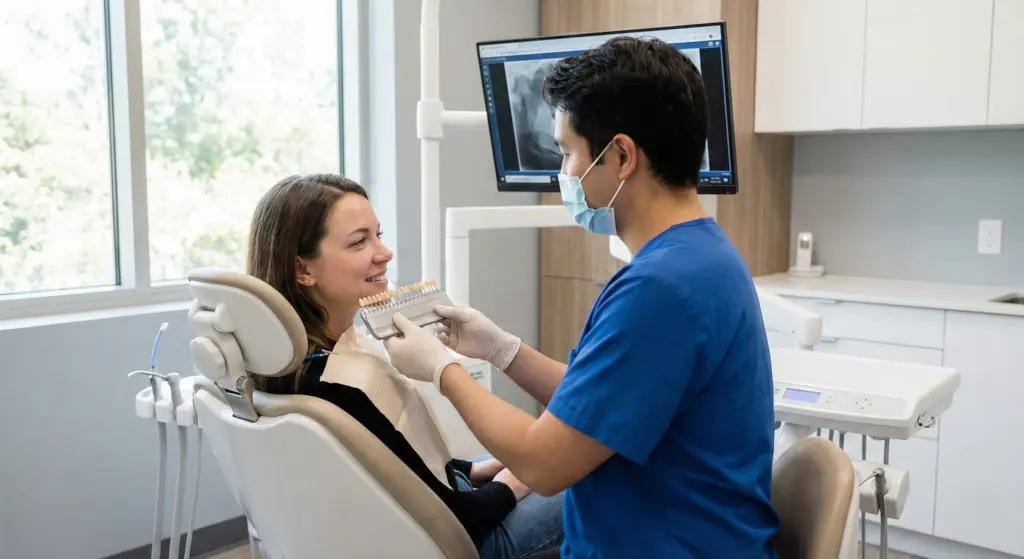
Blog Professional vs. OTC Whitening: Why Your Grocery Store Kit is Failing You Why Professional Whitening Delivers More Predictable and Safer Results Than OTC Kits This article is informed by real-world patient care and commonly asked questions at Toothology in Williamsburg, Brooklyn. Content is written by the Toothology Editorial Team and clinically reviewed byDr. Ayala Lieberman, DDS to support accuracy and safety. Medical references are verified using current clinical standards, evidence-based dentistry, manufacturer guidance for dental materials, and trusted public health resources to help patients make informed oral health decisions Professional teeth whitening vs OTC kits Professional whitening is usually more predictable because it starts with a dental exam, uses stronger whitening gels under supervision, protects your gums, and can include custom-fitted trays for even coverage. Over-the-counter kits can help with mild surface stains, but results often fall short due to poor fit, inconsistent use, lower-strength gels, and lack of guidance especially if you have sensitivity or existing dental work. Professional vs. OTC Whitening: Why Your Grocery Store Kit is Failing You You’ve tried the strips. Maybe the gel trays from the drugstore. You followed the instructions perfectly, dealt with the sensitivity, and waited for that bright white smile you saw in the ads. But when you looked in the mirror after a couple of weeks you weren’t as satisfied with the results as you expected. If you’re wondering why OTC whitening kits don’t deliver what you expected, the main reason is professional whitening and OTC kits are not the same type of treatment. Understanding the difference can save you time, frustration, and unnecessary sensitivity. 7 Common Reasons Your OTC Whitening Kit Isn’t Working (As Expected) 1. One-Size-Fits-All Trays Don’t Actually Fit Anyone The generic trays that come with most OTC kits are designed to fit the “average” mouth. When the tray doesn’t seal correctly against your teeth, the whitening gel can leak onto your gums or pool unevenly. In that case, you might get whitening on your front teeth while your molars stay stained. 2. Lower-strength peroxide means slower results Many OTC products use lower peroxide levels, which can mean milder whitening. Some in-office systems use higher concentrations under supervision for faster, more noticeable results. 3. You’re Treating the Wrong Type of Stain Not all tooth discoloration is the same. OTC kits can help with surface stains (coffee/tea/wine). Deeper discoloration from aging, medication, or trauma often needs professional treatment. 4. Existing dental work won’t whiten Crowns, veneers, and fillings don’t change shade with whitening. That can create a two-toned look if restorations are visible in your smile zone. 5. Sensitivity Stops You Before You See Results Tooth sensitivity is one of the most common reasons people quit OTC whitening halfway through. Sensitivity happens because peroxide can temporarily irritate teeth, especially with recession or enamel wear. Without professional guidance on pacing, desensitizing treatments, or alternative formulations, many people simply give up when the discomfort becomes too much. 6. Inconsistent use leads to inconsistent results Skipping days, shortening wear time, or switching products reduces effectiveness. Professional plans are easier to follow because the schedule is clear and supervised. 7. Hidden dental issues can block results Cavities, gum problems, enamel wear, or cracks can make whitening uncomfortable and unpredictable. A professional guidance can catch these issues before treatment begins, which is why dentists often recommend a cleaning and checkup before any whitening procedure. Whitening Ingredients 101: Hydrogen Peroxide vs. Carbamide Peroxide Both professional and OTC whitening products rely on peroxide-based reactions to break down stain molecules. Understanding the difference between the two main types can help you make sense of product labels. Hydrogen Peroxide Hydrogen peroxide is the faster-acting whitening ingredient. It breaks down quickly when it contacts the teeth, releasing oxygen molecules that penetrate the enamel and break apart stain molecules. Some in-office systems use higher concentrations (often in the 25%–40% range) under professional supervision, but protocols vary by case and product. Carbamide Peroxide Carbamide peroxide is essentially hydrogen peroxide combined with urea, which makes it break down more slowly. It’s often used in take-home whitening trays (both professional and OTC) because the slower release can reduce sensitivity. A 10% carbamide peroxide gel is roughly equivalent to 3.5% hydrogen peroxide in whitening strength. Higher concentrations may work faster, but they can also increase sensitivity and require professional oversight to protect gums Surface Stains vs. Deeper Discoloration: What Whitening Can and Can’t Fix Not all tooth discoloration responds the same way to whitening treatments. Understanding the difference between extrinsic (surface) and intrinsic (internal) stains helps set realistic expectations. Extrinsic Stains (Surface-Level) Extrinsic stains often respond well to both professional cleaning and whitening treatments, including some OTC products if they’re used consistently. Extrinsic stains form on the outer layer of tooth enamel and are typically caused by: Coffee, tea, and red wine Tobacco use Berries and dark-colored foods Poor oral hygiene allowing plaque buildup Intrinsic Stains (Deep Discoloration) These occur within the inner structure of the tooth (the dentin layer) and may be caused by: Aging (as enamel thins and dentin darkens naturally) Certain medications (like tetracycline antibiotics during tooth development) Excessive fluoride exposure in childhood (fluorosis) Dental trauma or root canal treatment Intrinsic discoloration often requires professional-strength whitening, and in some cases, may need alternative cosmetic treatments like veneers or bonding if whitening doesn’t achieve the desired result. What Professional Teeth Whitening Does Differently Comprehensive Exam Before Treatment Every professional whitening plan starts with an examination. Your dentist will check for cavities, gum disease, enamel erosion, and existing dental work. Custom-Fitted Trays for Even Coverage Professional take-home whitening kits include trays made from impressions of your actual teeth. This will ensure the whitening gel stays in contact with all tooth surfaces evenly, prevents leakage onto gums, and delivers consistent results across your entire smile. Higher-Concentration Whitening Gel with Protective Measures In-office whitening uses professional-strength peroxide (often 25-40% hydrogen peroxide) applied under controlled conditions. This allows for better results in as little as one appointment while minimizing risk. Personalized Sensitivity Management If