
Gentle Pediatric Dentistry: What Makes a Kids’ Dental Visit Different
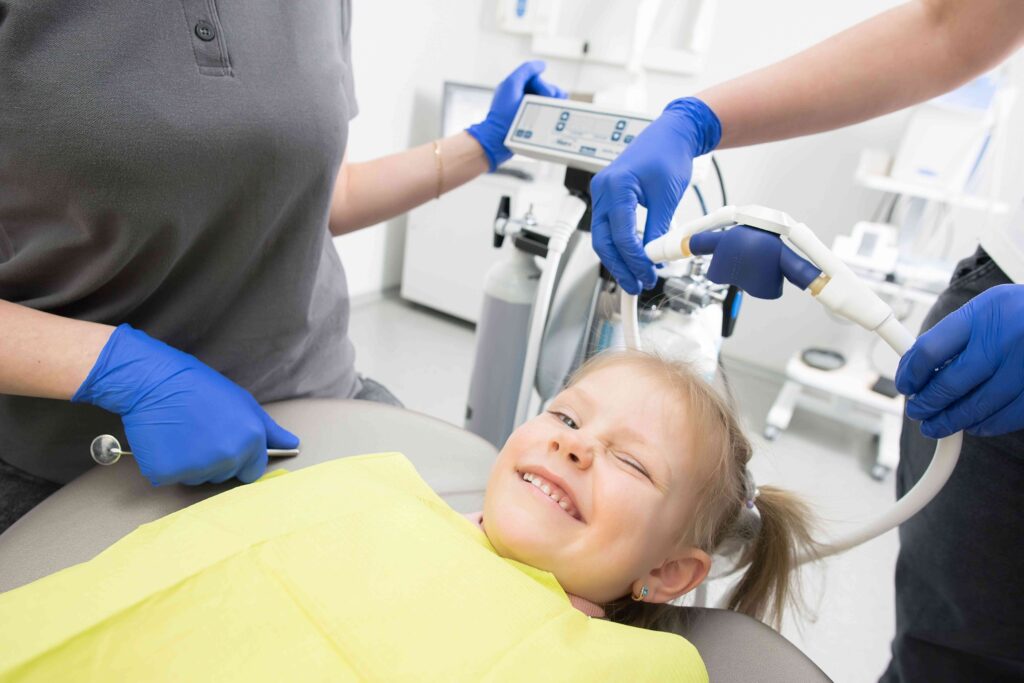
Gentle Pediatric Dentistry Guide · Williamsburg Brooklyn A child’s dental visit is not a smaller version of an adult appointment. It is designed around how children think, feel, and respond — with age-appropriate communication, careful pacing, and a focus on prevention and positive experience-building. Gentle Pediatric Dentistry: What Makes a Kids’ Dental Visit Different BOOK A PEDIATRIC VISIT FIRST VISIT GUIDE Written by Toothology Editorial Team | Reviewed by Dr. Ayala Lieberman, DDS September 2026 Some children have been to the dentist before and remember something that frightened them — a sound, a sensation, not knowing what was coming next. Others are going for the first time and do not know what to expect at all. Gentle pediatric dentistry is about more than speaking softly. It combines age-appropriate communication, careful pacing, individualized behaviour guidance, and a strong focus on prevention — adapting the visit to each child’s comfort level and previous experiences. What “Gentle” Actually Means in Pediatric Dentistry When parents look for a “gentle” dentist, they usually want someone who works at the child’s pace, explains treatment in age-appropriate language, and responds calmly to fear or resistance. In pediatric dentistry, this approach is supported by behaviour-guidance techniques such as tell-show-do, positive reinforcement, distraction, and desensitisation. “Gentle” does not guarantee that every visit will be completely comfortable. It means the dental team adapts its approach to the child’s age, temperament, previous experiences, treatment needs, and individual concerns. The goal is a predictable, confidence-building experience — not a rushed appointment. WHAT PARENTS ARE REALLY LOOKING FOR When parents search for a “gentle” kids’ dentist, they most often want someone who won’t push through resistance, will explain what’s happening, and will treat their child as an individual rather than a procedure to complete. These expectations are reasonable — and they describe the standard approach in thoughtful pediatric dental care. How a Kids’ Visit Differs From an Adult Visit A pediatric dental visit is designed around the developmental needs of a child, not just around the procedures involved. Several elements of the appointment work differently from an adult appointment. Communication Children are spoken to in age-appropriate terms — not clinical language, but not so simplified as to be condescending. The goal is making the child an active participant in their own care. Pacing Pediatric visits may build in extra time to allow a child to adjust to each step, ask questions, or take a short break. The dentist adapts to the child’s readiness rather than a fixed schedule. Prevention & Parent Education A significant portion of the visit focuses on preventing future problems. Because parents manage a young child’s oral health at home, guidance is directed at the family as much as the child. Building a Foundation A positive, well-explained visit can help children become more comfortable with dental care over time — creating the conditions for a lifetime of easier appointments. Aspect Adult Visit Kids’ Visit Communication Clinical language, direct and efficient Age-appropriate terms, tell-show-do, child as active participant Pacing Follows a set appointment schedule Builds in extra time; adapts to the child’s readiness at each step Primary Focus Treatment, restorations, and hygiene Prevention, parent education, and positive experience-building Behaviour Support Not typically part of the visit Communication techniques, desensitisation, distraction, nitrous oxide if appropriate Parent Involvement Usually minimal Parents included in home care guidance and oral health education 💡 The exact visit depends on the child’s age, comfort level, treatment needs, and previous dental experiences — no two pediatric visits are identical. Helping an Anxious or Previously Frightened Child Dental anxiety in children can come from a previous difficult visit, unfamiliar sounds or sensations, fear of needles, or simply not knowing what to expect. No single approach works for every child — but several techniques consistently help. Share concerns before the visit. Tell the dental team about previous negative experiences, sensory sensitivities, or specific triggers. This allows the team to prepare and adapt before the child arrives. Use positive, neutral language. Keep explanations calm and simple. Avoid promising “it won’t hurt” — this can backfire. Instead: “The dentist will explain what is happening and take good care of you.” Tell-show-do. The dentist explains a step, may demonstrate what to expect, and then proceeds. This removes the element of surprise that often amplifies anxiety. Gradual desensitisation. For very anxious children, a slower introduction to the dental environment — getting familiar before treatment begins — can make future visits significantly easier. Comfort items and distraction. A familiar toy or object, headphones, or a video can help a child manage their attention during treatment. BEHAVIOUR GUIDANCE TECHNIQUE TELL — SHOW — DO STEP 1 TELL The dentist explains what will happen in simple, reassuring language appropriate to the child’s age. STEP 2 SHOW The dentist demonstrates the instrument or step — letting the child see, hear, or feel it before proceeding. STEP 3 DO Only then does the dentist proceed with the step — giving the child a sense of control and predictability. What Happens at a First Dental Visit The ADA and AAPD recommend establishing dental care after the first tooth appears and no later than the first birthday. Early visits help establish a dental home, assess oral health, guide parents on hygiene and diet, and introduce the child to the dental environment in a low-pressure way. Review of health and dental history Meeting the dental team and becoming familiar with the office An age-appropriate oral examination Cavity-risk discussion and oral health assessment Brushing technique and diet guidance for parents Cleaning when appropriate for the child’s age and comfort Fluoride when clinically appropriate X-rays only when clinically indicated GOAL: PREDICTABLE AND POSITIVE The goal of a first visit is to make the experience feel predictable and positive — not to rush through a full set of procedures. What happens at the appointment depends on the child’s age, comfort level, any symptoms present, and their developmental readiness on the day. When Nitrous Oxide May Be Considered Nitrous oxide — sometimes called laughing gas — may help
Back-to-School Dental Checklist for Kids in Brooklyn

Back-to-School Dental Guide · Brooklyn Families Backpack — checked. Supplies — checked. New sneakers — checked. Dental checkup — still not scheduled. August is the most practical time to get it done before the school routine makes weekday appointments genuinely hard. Back-to-School Dental Checklist for Kids in Brooklyn BOOK BEFORE SEPTEMBER WHAT TO EXPECT Written by Toothology Editorial Team | Reviewed by Dr. Ayala Lieberman, DDS July 2026 The back-to-school rush has a way of pushing the dental appointment lower and lower until suddenly September has arrived and nobody has had their teeth looked at since last spring. For Brooklyn and Williamsburg families, August is actually the most practical time to schedule a preventive dental checkup — before the school routine makes weekday appointments genuinely difficult. A back-to-school dental exam can identify early cavities, complete a professional cleaning, update preventive care recommendations, and catch any changes in how your child’s teeth and bite are developing — all before small issues have the chance to turn into the kind of toothache that disrupts a school week. The Back-to-School List Backpack & supplies New sneakers Lunch box sorted School forms signed Kids dental checkup — booked? Cavity check & cleaning — done? Why Kids Need a Dental Checkup Before School Starts A back-to-school dental visit is easier to schedule before classes, homework, sports, and activities fill the calendar. Summer appointments give families a window to handle preventive care before the school year takes over. Professional cleanings remove buildup that brushing at home cannot reach. A cavity check can catch early decay before it becomes a bigger problem. A dental exam also helps track how your child’s teeth are developing — permanent teeth, bite alignment, gum health, and habits like thumb sucking, mouth breathing, or nail biting. NEW YORK SCHOOL DENTAL FORMS Some New York schools request a dental health certificate or school dental form from a licensed dentist. Parents should check their school’s specific requirements before the start of the school year. Toothology can complete any required forms at the time of your child’s visit. What Happens During a Pediatric Dental Exam For children who are new to Toothology or feel nervous about the dentist, knowing what to expect can make the visit much easier. Here is what a kids’ dental checkup at Toothology typically includes. HEALTH HISTORY REVIEW Checking medications, allergies, or any health changes since the last visit. A good time to mention any concerns about your child’s overall health. VISUAL EXAM Looking at the teeth, gums, bite alignment, gum tissue, and tooth development. The dentist checks both baby teeth and incoming permanent teeth. ✨ PROFESSIONAL CLEANING Removing plaque and tartar — especially around the gumline and between teeth — followed by polishing. Once clean, early signs of decay are easier to spot. BRUSHING & FLOSSING GUIDANCE Age-appropriate tips for home care routines — covering technique, product selection, and how to make brushing consistent at home. DENTIST CONSULTATION Reviewing exam findings and answering parent questions about development, habits, sealants, fluoride, snacking, mouthguards, or anything else on your mind. X-RAYS — WHEN ARE THEY RECOMMENDED? X-rays are not needed at every child’s visit. They are recommended based on the child’s age, cavity risk, symptoms, and what the dentist sees during the exam. Toothology recommends X-rays only when clinically appropriate. Helping Anxious Kids Feel Comfortable at the Dentist Dental anxiety in children is common. A dental visit includes new sounds, sensations, people, and tools near the mouth — all of which can feel overwhelming for some kids. The goal is not a rushed appointment. It is a calm, predictable visit where the child knows what is happening, gets breaks when needed, and builds confidence over time. Talk About It Calmly Say “the dentist will check and clean your teeth to keep them strong” — and avoid scary words or over-explaining tools beforehand. Choose the Right Time Schedule when your child is usually rested and regulated — not during a normally difficult part of the day. Tell the Team Early Let Toothology know if your child is anxious so they can go slowly, explain each step, and build in breaks when needed. Bring a Comfort Item A small toy, headphones, or a fidget toy can help reduce stress during the appointment. Set Honest Expectations Instead of “it’ll be fun,” try “they’ll explain everything and give you breaks if needed.” This builds trust rather than disappointment. Tell-Show-Do Toothology uses a gentle approach: explain what will happen, show the child first, then proceed — helping anxious kids feel more prepared and involved. What to Bring to Your Child’s Back-to-School Appointment Insurance card Parent or guardian photo ID School dental form or health certificate, if required by your school Updated medical history — medications, allergies, or any health changes Previous dental records or X-rays, if your child is new to Toothology Your questions — about brushing struggles, pacifiers, bite development, or sports mouthguards A comfort item for anxious children, if helpful Any referral or school form that needs the dentist’s signature How Often Should Kids Get a Dental Checkup? 6 MONTHS — THE STANDARD STARTING POINT For many children, a dental checkup about every six months is a helpful baseline. But the right timing depends on your child’s cavity risk, oral health, and development. Some children may need more frequent visits if they have higher cavity risk, previous decay, orthodontic changes, or special health needs. START EARLY — BUILD COMFORT OVER TIME Early dental checkups for kids help build familiarity with dental visits before problems appear. Routine visits are almost always easier than a first visit that happens during a toothache or dental emergency. Signs Your Child’s Dental Checkup Shouldn’t Wait Most back-to-school dental visits are preventive, but some symptoms should be evaluated sooner — don’t wait for the scheduled checkup if your child has any of these. Toothache or ongoing tooth pain Sensitivity to hot or cold in one tooth Dark spots, white patches, or tooth colour changes Swelling of the gum, cheek, or jaw A
Does My Child Really Need a Pediatric Root Canal? A Parent’s Guide
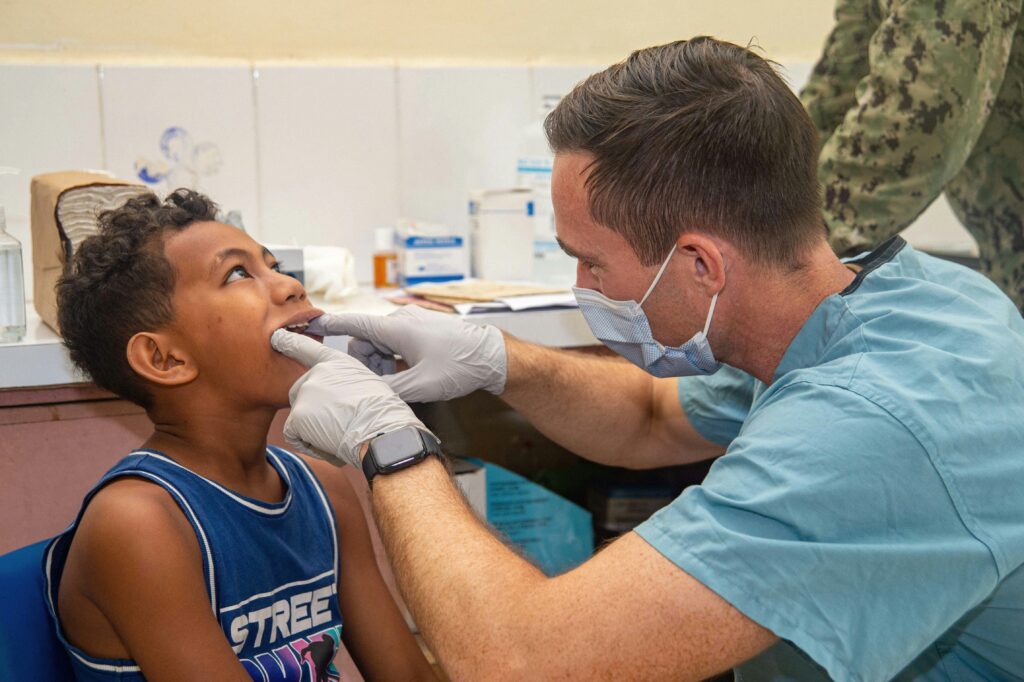
Pediatric Dentistry Guide · For Parents · Williamsburg Your dentist said “baby root canal” and your stomach dropped. Here’s what a pulpotomy actually is, why it’s far less dramatic than it sounds, and what to expect step by step. Does My Child Really Need a Pediatric Root Canal? A Parent’s Guide WHY WE SAVE BABY TEETH WHAT HAPPENS DURING THE VISIT Written by Toothology Editorial Team | Reviewed by Dr. Ayala Lieberman, DDS June 2026 Your child has been up through the night with tooth pain. Or your pediatric dentist just mentioned the words “baby root canal” at a routine checkup — and your stomach dropped a little. Both reactions are completely understandable. But a pediatric root canal sounds more alarming than it usually is. The procedure most commonly recommended for young children is actually a pulpotomy — a gentler, more limited treatment than the adult version most parents picture. When a primary tooth has decay that has reached the pulp (the soft tissue inside the tooth containing nerves and blood vessels), a pulpotomy removes the infected portion of that tissue rather than the entire pulp structure. The goal is to save the tooth, relieve the pain, and protect the underlying permanent tooth that is still developing beneath it. WHAT IS A PULPOTOMY? A pulpotomy removes only the infected pulp in the crown (top portion) of the baby tooth — not the roots. This is why it’s usually quicker and less involved than the adult root canal most parents are imagining. It’s one of the most common pediatric dental procedures. Why We Must Save a Baby Tooth with a Pulpotomy It’s a common question from parents: if the tooth will fall out anyway, why not just pull it? The short answer is that back baby teeth do important work for years — often until ages 10–12 for back molars. Pulling them early creates real problems. Chewing & Nutrition Primary molars handle most chewing in childhood. Losing them early can make eating harder and significantly limit food choices during key developmental years. Speech Development Teeth help children form certain sounds. Early tooth loss can affect speech clarity while speech patterns are still developing and forming. Space for Adult Teeth Primary molars hold the space for the adult tooth underneath. If removed too early, nearby teeth drift — often leading to crowding and orthodontic treatment later. Bone & Tissue Preservation Keeping the tooth helps maintain the bone and gum support in that area until the permanent tooth is ready to erupt naturally. Pulpotomy vs. Extraction vs. Adult Root Canal Option What Happens Goal & Typical Follow-Up Pulpotomy Baby root canal Infected pulp in the crown of the tooth is removed; a medicated mineral-based filling is placed to protect the remaining healthy tissue Save the baby tooth and restore function; crown typically placed the same appointment or soon after; tooth held in place until it falls out naturally Extraction Tooth removal The primary tooth is removed under local anaesthetic; straightforward when the tooth cannot be restored or infection is too advanced Eliminate infection quickly; a space maintainer is often needed to hold the gap until the permanent tooth erupts — without one, nearby teeth can drift and cause crowding Adult Root Canal For permanent teeth Full pulp removed — including the root canals; canals are shaped, cleaned, and sealed; a different and more involved process than a pulpotomy Save a permanent tooth for life; typically followed by a crown; not the same procedure as a pulpotomy — and generally longer and more complex A pulpotomy only removes infected tissue from the top (crown of the tooth — not the root canals. This is why it’s usually quicker and less involved than the adult root canal most parents picture. WHEN EXTRACTION MAY BE RECOMMENDED INSTEAD A pulpotomy isn’t always the best option. If the tooth can’t be restored — because decay is too extensive, infection has affected surrounding bone, or there isn’t enough healthy tooth left to rebuild — extraction may be recommended. Your dentist should explain why they’re recommending extraction vs. saving the tooth. It’s reasonable to seek a second opinion for major decisions. Signs Your Child Has a Dental Infection Deep in the Tooth Tooth decay that is still in the outer layers of a tooth rarely causes significant pain. When decay reaches the pulp, the symptoms change — and they tend to be hard to miss. Toothache that wakes your child at night or is persistent rather than occasional Sharp or lingering sensitivity to hot, cold, or sweet foods and drinks Spontaneous pain — throbbing or sharp pain without any food or drink trigger A small pimple or bump on the gum near a tooth — this may be a dental abscess draining Swelling of the gum or face near the affected tooth A persistent bad taste in the mouth that your child mentions Refusal to chew on one side of the mouth Visible darkening of a tooth that was previously a normal colour Fever accompanying dental symptoms What Is a Dental Abscess and Why Does It Matter? A dental abscess is a pocket of infection that forms when decay reaches the tooth’s nerve and spreads into nearby tissue or bone. In children, it may show up as a small pimple-like bump on the gum (a draining fistula). Even if that bump seems to reduce pain — it doesn’t mean the infection is gone. It means it’s still active and draining. Dental infections don’t resolve on their own. Without treatment, they can spread to nearby teeth and bone and may affect the developing adult tooth underneath. When to Call 911 or Go to the ER Instead Facial or neck swelling that is spreading , especially toward the jaw, eye, or throat Difficulty breathing or swallowing — this is a medical emergency, not a dental emergency High fever alongside significant facial swelling Swelling that changes rapidly over hours rather than days Step-by-Step:
Seal Out the Cavities: Why Dental Sealants are the “Secret Armor” for Kids
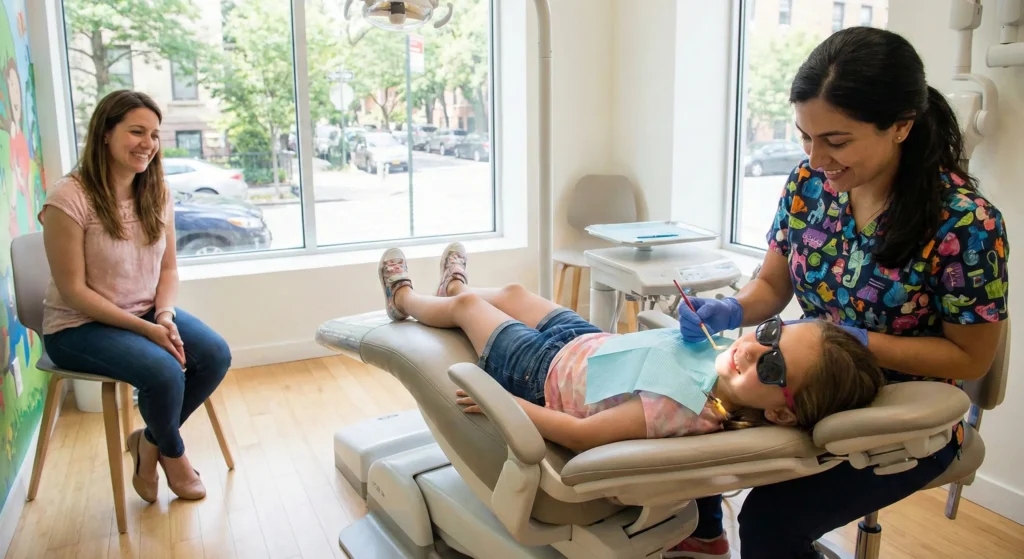
Blog Seal Out the Cavities: Why Dental Sealants are the “Secret Armor” for Kids How Sealants Protect Kids’ Molars from Cavities in Brooklyn This article provides evidence-based information on dental sealants and their role in preventive pediatric dentistry. It reflects current guidance from major dental organizations regarding cavity prevention, material safety, and recommended timing for sealant placement. What are dental sealants? Dental sealants are thin protective coatings applied to the chewing surfaces of molars to prevent cavities. They work by sealing the deep grooves (pits and fissures) where food and bacteria get trapped, creating a smooth barrier that’s easier to keep clean. The painless dental procedure takes just minutes per tooth, and research shows sealants can significantly reduce cavity risk in back teeth especially during the first few years after placement.. What Are Dental Sealants? The ‘Secret Armor’ That Protects Kids’ Molars in Brooklyn As a Brooklyn parent, you do everything you can to protect your child’s health from nutritious meals to regular checkups. But even with careful brushing and limited sweets, many children still develop cavities in their back teeth. The reason is the deep grooves and pits on the chewing surfaces of molars tiny crevices where toothbrush bristles often can’t reach. That’s where dental sealants come in. A simple, painless preventive treatment that creates a protective shield against cavity-causing bacteria. Why Back Teeth Are Cavity Magnets Children’s permanent molars have deep pits and fissures on their chewing surfaces natural grooves that help grind food. Unfortunately, these same grooves are perfect hiding spots for food particles and bacteria. Even with diligent brushing, toothbrush bristles are often too wide to clean deep into these tiny crevices. When food and bacteria remain trapped in these grooves, they produce acid that attacks tooth enamel. Over time, this can lead to cavities often before parents even realize there’s a problem. In fact, according to the Centers for Disease Control and Prevention (CDC), molars and premolars are the most common sites for cavities in children. This is why protecting molars from cavities requires more than just brushing and flossing. How Sealants Work Think of sealants as a raincoat for your child’s teeth. Just as a raincoat prevents water from soaking through clothing, sealants prevent food particles and bacteria from settling into the deep grooves of molars. This protective coating: Creates a smooth surface that’s easier to clean Blocks food and bacteria from reaching the enamel in deep grooves Makes tooth surfaces more resistant to acid attacks Allows fluoride from toothpaste to better protect the tooth What Sealants Do and Don’t Do What they do: Sealants help reduce the risk of cavities on the chewing surfaces of back teeth where they’re applied. What they don’t do: Sealants are not a replacement for good oral hygiene. Your child still needs to brush twice daily with fluoride toothpaste, floss, limit sugary snacks, and visit the dentist . Sealants also don’t protect the sides of teeth between molars – that’s where flossing comes in. Materials Used Most dental sealants are made from resin-based materials that have been safely used in dentistry for decades. In some cases, dentists may use glass ionomer sealants, especially when moisture control is difficult or when sealing certain baby teeth. Why Preventive Dentistry for Kids Matters Dental sealants are one part of a comprehensive preventive dentistry strategy for children. When combined with other protective measures, they create multiple layers of protection against cavities: Fluoride (from toothpaste, water, and professional treatments) strengthens enamel Brushing and flossing remove plaque and food particles Healthy diet limits sugar exposure that feeds cavity-causing bacteria Regular dental exams catch problems early Dental sealants add a physical barrier to vulnerable tooth surfaces According to the American Dental Association (ADA), the combination of fluoride and sealants provides the best cavity prevention for children. Protecting Molars from Cavities: Understanding Pits and Fissures To understand why sealants are so effective, it helps to know a bit about tooth anatomy. The chewing surfaces of molars aren’t flat they have grooves, pits, and fissures that vary in depth from child to child. Why These Grooves Cause Problems They’re narrow and deep They trap food and bacteria They create an ideal environment for decay Some children have deeper pits and fissures than others, putting them at higher risk for cavities even with excellent oral hygiene. Sealants level the playing field by filling in these grooves and creating a smooth, cleanable surface. Who Should Get Sealants and When? The best time for dental sealants is soon after permanent molars erupt and before cavities have a chance to develop. Timing for Sealants First permanent molars: Usually erupt around age 6 (though timing varies by child) Second permanent molars: Typically erupt around age 12 Premolars: May also benefit from sealants if they have deep grooves (usually ages 10-12) Children at Higher Risk While all children can benefit from sealants, they’re particularly important for children who: Have had cavities in their baby teeth or other permanent teeth Have deep pits and fissures in their molars Snack frequently or consume sugary drinks Have limited exposure to fluoridated water Have difficulty with thorough brushing (due to age, motor skills, or orthodontic appliances) Have special healthcare needs that make dental care challenging A Painless Dental Procedure: What Happens During Sealant Application One of the best things about dental sealants is how quick and comfortable the procedure is. Step-by-Step Process The dental hygienist or dentist thoroughly cleans the tooth surface to remove any plaque or food particles The tooth is dried completely, often with cotton or a small suction device A mild conditioning gel is placed briefly to help the sealant bond securely. The liquid sealant is carefully painted into the grooves and pits of the tooth The dentist checks that the sealant doesn’t interfere with your child’s bite and makes any needed adjustments How Long Does It Take? The entire process typically takes just a few minutes per tooth. For a child getting sealants on all four permanent molars, the appointment often
Are Dental X-Rays Safe for Children? Modern Tech vs. Old Myths
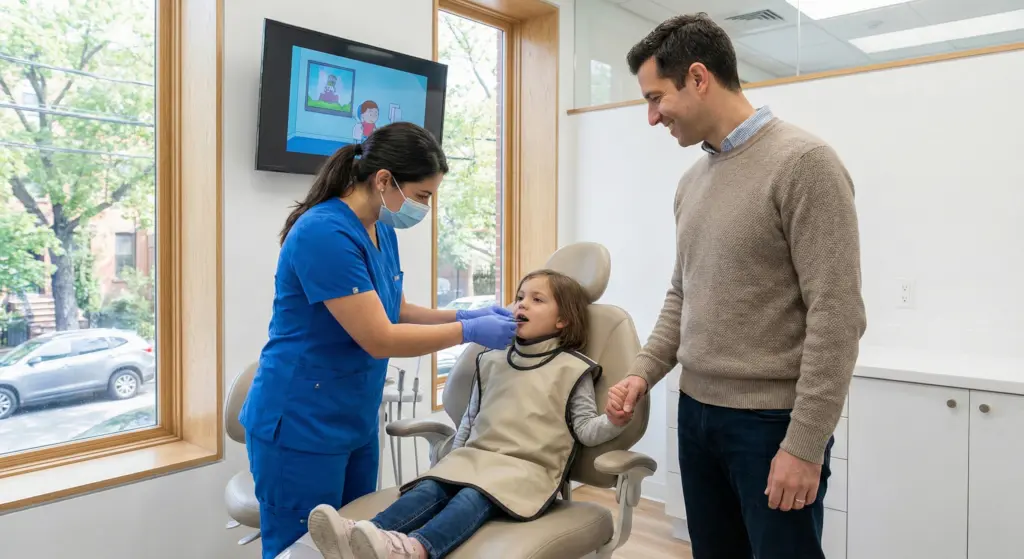
Blog Are Dental X-Rays Safe for Children? Modern Tech vs. Old Myths Modern Digital Imaging, Radiation Facts, and What Brooklyn Parents Should Know This article provides evidence-based guidance on pediatric dental imaging and radiation safety. It reflects current professional recommendations regarding digital dental X-rays, ALARA principles, and child-specific imaging protocols. Are dental X-rays safe for children? Yes, modern dental X-rays are very safe for children when used appropriately. Digital dental X-rays use extremely low radiation doses,often comparable to natural background radiation we encounter daily. Dentists follow the ALARA principle (as low as reasonably achievable) and only recommend X-rays when diagnostic benefits outweigh minimal exposure. Exact exposure varies by the type of X-ray (bitewing vs panoramic), your child’s size, and the equipment used. Are Dental X-Rays Safe for Children? Modern Tech vs. Old Myths As a Brooklyn parent, you want the best for your child’s health. When the dentist recommends X-rays, you might think, are dental X-rays safe for children? How much radiation is involved? Is it really necessary? These questions are completely valid. Modern dental imaging has advanced dramatically. Digital dental X-rays for kids use a fraction of the radiation older systems required, and pediatric dentists only recommend them when truly needed to detect problems invisible to the eye. Why Kids Need Dental X-Rays Dental X-rays provide critical diagnostic information that visual exams alone cannot reveal, especially in growing children whose teeth and jaws constantly change. Detecting Hidden Cavities Cavities between teeth called interproximal cavities are common in children but completely invisible during visual exams because teeth touch too closely. X-rays reveal decay in these hidden spaces. Monitoring Development and Eruption X-rays show how permanent teeth develop beneath gums, whether teeth erupt properly, if adequate space exists for incoming teeth, and whether any teeth are missing, extra, or impacted. Assessing Infections and Trauma Dental infections can spread to bone around tooth roots without surface symptoms. After injuries, X-rays reveal damage to tooth roots, jawbones, or developing permanent teeth beneath gums. Orthodontic Planning Before braces or orthodontic care, dentists use diagnostic dental imaging to assess jaw growth, tooth position, root development, and impacted teeth. Modern Digital X-Rays vs. Older Film X-Rays If you remember dental X-rays from the 1980s or 1990s, today’s technology is different and far safer. Digital Sensors vs. Film Modern digital dental X-rays use electronic sensors. These sensors are far more sensitive, requiring significantly less radiation to capture high-quality images. Exposure times are much shorter often fractions of a second.Digital dental X-rays generally use significantly less radiation than older film X-rays, though the exact reduction depends on the equipment and settings. Instant Results and Better Quality Digital images appear on screens within seconds, eliminating re-takes due to processing errors and reducing unnecessary exposure. Dentists can enhance images, zoom on specific areas, and share easily for consultations. Focused Beams and Collimation Modern equipment uses collimation focusing X-ray beams only on specific areas being imaged. This prevents unnecessary exposure to surrounding tissues and further reduces overall doses. How Dentists Keep Radiation Low: The ALARA Principle Pediatric dentists follow ALARA: ‘As Low As Reasonably Achievable.’ This means using the lowest radiation dose while obtaining needed diagnostic information. Risk-Based Imaging Decisions X-rays aren’t automatic. Dentists consider: Age and developmental stage Cavity risk (diet, hygiene, previous decay, fluoride exposure) Symptoms (pain, swelling, trauma) What visual exams cannot reveal Time since last X-rays Child-Specific Settings Machines adjust for children’s smaller bodies, using lower exposure settings, fast exposure times, and precise positioning to capture needed areas without unnecessary exposure. Trained Staff Professionals receive specialized training in radiation safety, positioning techniques, and equipment operation. Proper positioning on the first try avoids retakes and minimizes total exposure. Do Kids Need Lead Aprons or Thyroid Collars? This common question has evolved with modern technology and updated professional guidance. Updated Guidance on Shielding With modern, collimated digital dental X-rays, routine patient shielding (lead aprons and thyroid collars) is not always necessary. Current recommendations emphasize minimizing exposure by optimizing technique using tight collimation, correct positioning, and child-specific settings while following the ALARA principle and taking X-rays only when clinically needed. That said, practices vary some offices still use shielding for comfort or because of local/state rules. If you prefer a thyroid collar, ask your dentist what they use and why. How Often Should Children Get Dental X-Rays? Frequency depends on individual needs, risk factors, and dental health status. General Guidelines Low cavity risk: Bitewing X-rays every 12-24 months Moderate to high risk: X-rays every 6-12 months to monitor decay New patients: Baseline X-rays unless recent ones are available Panoramic X-rays: as clinically indicated Common Myths vs. Evidence-Based Facts Myth Evidence-Based Fact Dental X-rays aren’t safe for children. Modern dental X-rays use very low radiation. Dentists recommend them only when diagnostic benefits outweigh minimal exposure. Without lead aprons, it’s unsafe. Modern equipment with proper technique is safe with or without routine shielding. Many offices still use aprons, which is also fine. X-rays are just for cavities. X-rays assess development, eruption, infections, trauma, and orthodontic needs—issues not visible during visual exams. What Happens During a Child’s Dental X-Ray Understanding the process eases anxiety: Positioning: The assistant helps your child sit comfortably and positions a small sensor in their mouth Quick exposure: The machine is positioned and the X-ray taken in a fraction of a second, just a click Protection: Depending on practice, a lead apron may be used Review: Images appear on screen immediately; retakes are rare with trained staff Pediatric teams use gentle language, demonstrate on parents, offer praise, and work quickly. If your child is anxious, let the team know ahead of time. Frequently Asked Questions Are dental X-rays safe for toddlers? Yes, when used appropriately. Pediatric dentists use child-specific settings with extremely low radiation doses. Why can't dentists see cavities without X-rays? Visual exams detect surface cavities but cannot see between teeth where they touch. Decay also occurs beneath surfaces or fillings. How often do kids need dental X-rays? It depends on cavity risk. Low-risk children may
Baby’s First Dental Visit: A Brooklyn Parent’s Timeline & Guide

Blog Baby’s First Dental Visit: A Brooklyn Parent’s Timeline & Guide A Brooklyn Parent’s Guide to Early Dental Care and Healthy Habits This article is written to guide parents through their child’s earliest dental milestones using evidence-based pediatric dental recommendations. It focuses on prevention, education, and helping families build healthy oral habits from infancy. When should my baby have their first dental visit? It is best to schedule your baby’s first dental visit by age 1, or within 6 months after the first tooth appears whichever comes first. This early visit helps establish a dental home, allows the dentist to check for early signs of decay, and gives parents guidance on infant oral health, teething, feeding habits, and proper brushing techniques. Why Your Baby’s First Dental Visit Matters As a new parent in Brooklyn, you’re juggling pediatrician appointments, feeding schedules, sleep training, and countless other milestones. It’s common to wonder whether babies really need a dentist yet. The answer is yes ,and the first visit is mostly about prevention, education, and guidance. Your baby’s first dental visit isn’t about drilling or filling cavities. It’s about prevention, education, and establishing a relationship with a pediatric dentist who can guide you through teething, brushing, and keeping those tiny teeth healthy as they grow. Early childhood cavities can develop early, but with the right routine and guidance, they’re often preventable. When Should a Baby Go to the Dentist? The American Academy of Pediatric Dentistry recommends a child’s first dental visit by age 1, or within 6 months of the first tooth erupting, whichever comes first. This recommendation is based on decades of research showing that early dental visits improve long-term oral health outcomes and help prevent early childhood cavities. Why so early? Prevention starts before problems appear Parents get personalized guidance Establishing a continuity of dental care Catching issues early since some babies are at higher risk for cavities due to diet, genetics, or feeding habits Even if your baby doesn’t have teeth yet by age 1, the visit is still valuable. The dentist can examine gum health, check jaw and facial development, and provide guidance on oral hygiene practices to start as soon as teeth begin erupting. Brooklyn Parent Timeline: From Birth to Toddlerhood 0-3 Months: Gum Care Begins Even before teeth appear, you can start building healthy habits. After feedings, gently wipe your baby’s gums with a clean, damp cloth or soft gauze. 3-6 Months: Teething May Begin Many babies start teething between 4 and 7 months, though the timing varies widely. You might notice increased drooling, fussiness, or a desire to chew on everything. Safe soothing options include chilled (not frozen) teething rings, gentle gum massage with a clean finger, or a cool, damp washcloth for baby to chew on. 6-12 Months: First Tooth Dental Care Most babies get their first tooth between 6 and 10 months. Once that first tooth appears, it’s time to start brushing. How to brush: Use a soft-bristled, small-headed baby toothbrush Apply a tiny smear of fluoride toothpaste Brush gently twice a day, especially before bedtime No need to rinse at this age, the small amount of toothpaste is safe to swallow By 12 Months: Schedule the First Dental Visit Whether your baby has one tooth or several, aim to have that first dental appointment by their first birthday. The dentist will conduct a gentle examination, answer your questions, and provide personalized guidance for the months ahead. 12-24 Months: Building Healthy Habits During the toddler months, continue brushing twice daily with a rice-grain-sized smear of fluoride toothpaste. And also your dentist will guide you on: Transitioning from bottle to cup Managing snacking and sugary drink habits Fluoride needs based on your local water supply and cavity risk When to start flossing (usually when teeth touch) Follow-up visit frequency What Happens at the First Dental Visit? Many parents worry about what to expect at their baby’s first dental appointment. The Examination The dentist or hygienist will examine your baby’s mouth, by checking, Gum health and any erupting teeth Tooth development and alignment Signs of early decay (white or brown spots) Jaw and facial growth Bite issues or concerns Parent Education and Guidance The first visit is as much about coaching parents as it is about examining the baby. The dentist will discuss, Proper brushing technique and frequency Fluoride toothpaste use and dosage Feeding practices that affect dental health Pacifier use or thumb-sucking habits Teething and how to soothe discomfort safely Warning signs that require a follow-up visit How to Prepare Your Baby (and Yourself) for the Visit A little preparation can make the first dental visit smoother for everyone, Pick the Right Time Schedule the appointment when your baby is typically well-rested and fed. Avoid nap times or times when they’re usually hungry or cranky. What to Bring Insurance card and ID List of any medications or supplements your baby takes Notes on feeding routine and any concerns Your questions about teething, brushing, pacifiers, or thumb-sucking Comfort items Stay Calm and Positive Babies pick up on parental anxiety. Even if you’re nervous about the dentist yourself, try to stay relaxed and upbeat. Use a cheerful tone when talking about the visit. First Tooth Dental Care: Daily Routine That Prevents Cavities Establishing a consistent oral care routine from the moment the first tooth appears is one of the best things you can do for your child’s long-term dental health. Brush Twice Daily Once teeth erupt, brush them twice a day, ideally in the morning and before bed. Use a soft-bristled toothbrush designed for babies and a tiny smear of fluoride toothpaste (about the size of a grain of rice for children under 3). Avoid Sharing Utensils Cavity causing bacteria can be transmitted from parent to child through saliva. While it’s not always possible to avoid, try not to share spoons, cups, or clean pacifiers with your mouth. Fluoride and Water If your home has fluoridated tap water ,your baby gets some fluoride from drinking water