
Deep Cleaning vs Regular Cleaning: When Do You Need Scaling and Root Planing?
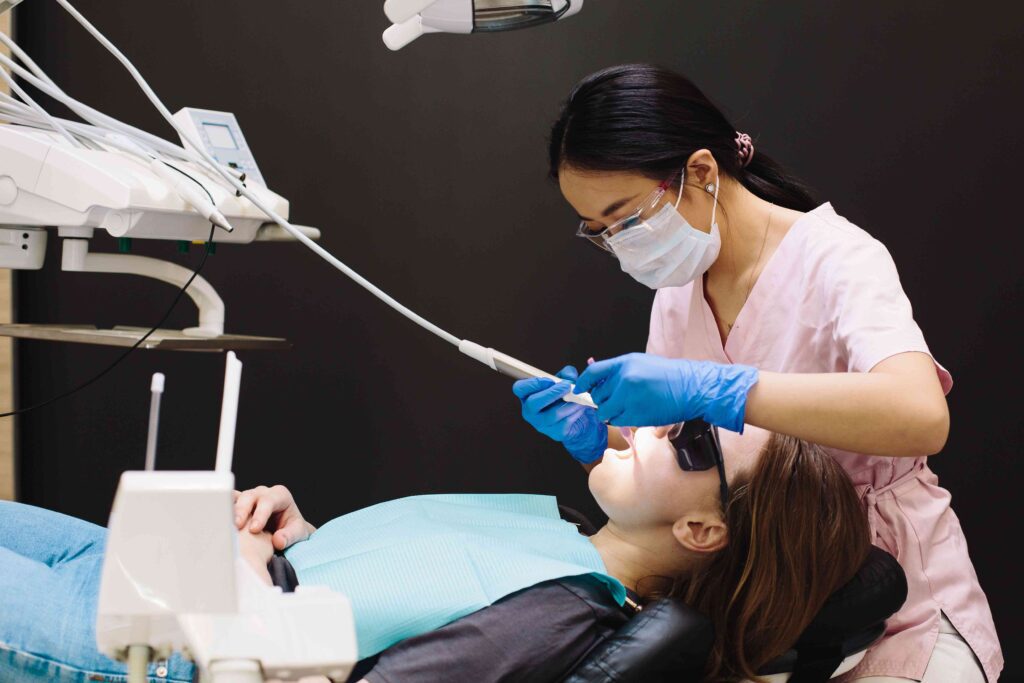
Gum Disease & Periodontal Care · Williamsburg Brooklyn You came in for a routine cleaning and left with a different recommendation. Here’s what scaling and root planing actually is, how it differs from a regular cleaning, and what to expect. Deep Cleaning vs Regular Cleaning: When Do You Need Scaling & Root Planing? SEE THE COMPARISON DOES IT HURT? Written by Toothology Editorial Team | Reviewed by Dr. Ayala Lieberman, DDS July 2026 You came in for what you thought was a routine cleaning. Your dentist or hygienist measured your gum pockets, took X-rays, and told you the cleaning you need is not a regular cleaning — it is a deep cleaning. You’re sitting in the chair wondering what exactly that means, whether it is going to hurt, and why this feels different from every other dental appointment you’ve had. The distinction between a regular dental cleaning and a deep cleaning — properly called scaling and root planing — matters because they serve genuinely different clinical purposes. A regular cleaning is preventive care designed to keep healthy gums healthy. A deep cleaning is gum disease therapy designed to address inflammation, tartar buildup, and bacterial accumulation that extends below the gumline into the pockets between teeth and gums. They are not the same procedure delivered in different intensities — they are different procedures with different clinical indications. Regular Cleaning vs. Deep Cleaning: The Core Difference REGULAR DENTAL CLEANING Preventive care · Dental prophylaxis Removes plaque and tartar from visible tooth surfaces above the gumline Appropriate for patients with healthy or stable gums Usually includes exam, X-rays, basic pocket measurements, polishing and flossing No anesthesia typically needed Goal: maintain gum health and prevent disease from developing DEEP CLEANING (SRP) Gum disease therapy · Scaling & Root Planing Removes plaque and tartar from below the gumline, inside periodontal pockets, and along root surfaces Recommended when gum pockets are deep, tartar is below the gumline, or periodontitis is diagnosed May be completed in sections (quadrants) over multiple visits Local anesthesia used for comfort when needed Goal: reduce bacterial load, allow gum tissue to heal, and stabilise gum disease NOT AN UPSELL — A DIFFERENT TREATMENT A recommendation for a deep cleaning is not an upsell. It is a different clinical treatment based on gum measurements, X-rays, and signs of periodontal disease. A regular cleaning cannot reach the areas a deep cleaning addresses. Deep Cleaning vs Regular Cleaning: A Quick Comparison Factor Regular Dental Cleaning Deep Cleaning / Scaling & Root Planing Main Purpose Preventive cleaning for generally healthy or stable gums Gum disease therapy for inflammation, gum pockets, and bacterial buildup below the gumline Where It Cleans Above the gumline and around visible tooth surfaces Below the gumline, inside gum pockets, and along root surfaces Used When Routine care and maintenance; no active periodontitis diagnosis Periodontal charting shows deep pockets, bleeding, tartar below the gumline, or bone loss on X-ray Comfort Usually no anesthesia needed Local anesthesia may be used if areas are tender or gum pockets are deep Follow-Up Usually routine recall schedule — every 6 months for most patients Re-evaluation 4–8 weeks later; may move to periodontal maintenance every 3–4 months A recommendation for a deep cleaning is not an upsell — it is a different clinical treatment. A regular cleaning cannot reach the areas that scaling and root planing addresses. Signs You May Need Scaling and Root Planing Gum disease often develops more quietly than patients expect. Bleeding gums are commonly overlooked or attributed to brushing technique rather than recognised as a potential clinical sign worth investigating. By the time gum disease causes noticeable symptoms — recession, loose teeth, or visible bone changes on X-ray — it has typically been active for some time. Gums that bleed regularly when brushing or flossing — not just occasionally Swollen, tender, or puffy-looking gum tissue Gums that appear to be pulling away from the teeth (recession) Persistent bad breath that does not resolve with brushing and rinsing Tartar buildup visible at the gumline even with regular brushing A dentist noting gum pocket depths of 4mm or greater during charting Bone loss noted on dental X-rays Teeth that feel or look loose without a clear dental explanation What Scaling and Root Planing Actually Involves Scaling and root planing is a non-surgical treatment. It does not involve incisions or stitches — but it goes deeper than a regular cleaning. Understanding what happens makes the procedure far less intimidating than the description might suggest. 1 PERIODONTAL CHARTING Gum pocket depths are measured around each tooth. Pockets 4mm or deeper in combination with other findings are a key indicator for SRP. 2 LOCAL ANESTHESIA The area being treated is numbed for comfort. Deep cleaning can be performed in quadrants — one section per visit — so anesthesia is focused on the area being treated that day. 3 SCALING (TARTAR REMOVAL) Ultrasonic instruments and/or hand scalers remove bacterial plaque and tartar from below the gumline and inside periodontal pockets. The ultrasonic device uses vibration and water to loosen and flush out buildup. 4 ROOT PLANING (SMOOTHING THE ROOT) The tooth root surfaces are smoothed so bacteria are less likely to reattach. Smoother root surfaces also allow the gum tissue to heal more closely around the tooth. 5 IRRIGATION AND COMPLETION The area is rinsed and any adjunctive medication may be applied depending on the clinical situation. Post-care instructions are reviewed before you leave. Does Deep Cleaning Hurt? Concern about discomfort is one of the main reasons patients hesitate after being told they need scaling and root planing. Most patients tolerate SRP well — and discomfort during the procedure is usually managed with local anesthesia. Before treatment begins, the area may be numbed, especially when gum pockets are deep or the tissue is tender. During the procedure, patients usually feel pressure and movement rather than sharp pain. The level of numbing depends on patient comfort and the clinical situation. Common Mild Side Effects in
Professional Teeth Whitening in Williamsburg

Wedding Season Guide · Williamsburg Venue tours, dress fittings, rooftop engagement parties — and a lot more photos than usual. Here’s everything you need to know about whitening your smile before the big day. Get Wedding Ready: Professional Teeth Whitening in Williamsburg SEE THE WHITENING TIMELINE BOOK A CONSULTATION Written by Toothology Editorial Team | Reviewed by Dr. Ayala Lieberman, DDS April 2026 Wedding season in New York has its own kind of momentum. There are venue tours, dress fittings, rehearsal dinners, rooftop engagement parties — and suddenly a calendar full of events where photos matter more than usual. Somewhere in the middle of all that planning, many brides, grooms, and wedding guests land on the same thought: I want my smile to look its best. For many people, that means looking into professional teeth whitening in NYC. It’s one of the fastest cosmetic upgrades available — and when it’s done well, it can brighten your smile without making it look unnatural or overdone. Why Professional Whitening Beats At-Home Kits Walk into almost any pharmacy in Brooklyn and you’ll see whitening strips, pens, trays, and whitening toothpastes. They’re easy to buy and tempting when your event is getting close. But professional whitening and over-the-counter options are not the same — and the differences matter most when you have a real deadline and a real cosmetic goal. Professional Whitening Clinical supervision: a dentist evaluates whether whitening is appropriate before treatment begins Customisation: trays are made to fit your exact teeth for even, consistent coverage Stronger systems: higher-concentration gels not available over the counter Speed and predictability: Speed and predictability: especially with in-office treatment — visible results on a real timeline Safer for complex cases: sensitivity, existing restorations, and gum issues are assessed first Over-the-Counter Kits Lower-concentration gel — results often more limited Generic trays or strips — uneven coverage, increased gum exposure No clinical evaluation — not suitable if you have sensitivity, decay, or restorations Whitening won’t change crowns, veneers, caps, or fillings — which OTC packaging often doesn’t make clear Overuse close to an event is one of the most common ways to end up with irritation instead of results Key Limitation to Know Whitening — professional or OTC — only works on natural enamel. It will not change the colour of crowns, veneers, caps, or fillings. If you have visible restorations on front teeth, this should be discussed at your consultation before starting any whitening. The Best Timeline for Whitening Before Your Big Day One of the most common whitening mistakes is starting too late. Here’s how to think about your planning window depending on how much time you have before the event. 6–8 Weeks Ideal Start Here — The Ideal Planning Window This is the best window for most people. It gives you time for a consultation, treatment, sensitivity management if needed, and a touch-up if necessary. It also creates room for the dentist to identify whether whitening alone will address the main concern — or whether another step like bonding would make a bigger difference. 3–4 Weeks Workable Still Workable — Especially with In-Office Whitening This timeline can still deliver good results, especially with an in-office treatment session. But it leaves less margin for follow-up, sensitivity management, or adjustments if your teeth respond more gradually than expected. Under 2 Wks Urgent Book a Consultation Immediately At this point, book a consultation rather than trying to rush a result with aggressive over-the-counter use. Overusing whitening products too close to an event is one of the easiest ways to end up with irritation or disappointment instead of a cleaner smile. How Fast Can You Brighten Your Smile? The honest answer depends on your teeth, the type of staining, and the whitening system your dentist recommends. Here’s how the main options compare: In-Office Whitening A high-concentration bleaching gel is applied directly to the teeth in the dental chair — sometimes with light activation depending on the system. This is generally the fastest option. For many patients, brightening is visible after a single visit. Fastest Results Single Visit Custom Take-Home Trays Custom trays use a lower-concentration gel worn for a set period each day — typically an hour or overnight — over one to several weeks. Results are more gradual. Custom trays fit your teeth more precisely than generic strips for better, more even coverage. Gradual Results Flexible Schedule Combination Approach Some patients do well with a hybrid plan — an in-office session for a faster initial change, followed by take-home trays to maintain or deepen the result over the following weeks. This can offer both the speed of in-office whitening and the gradual refinement of at-home trays. Best of Both Ideal for Longer Timelines Is Whitening Safe for Sensitive Teeth? Sensitivity is one of the most common concerns around whitening — and it’s a valid one. But having sensitive teeth doesn’t automatically mean you can’t whiten. A dental exam matters here. If you already have sensitivity, worn enamel, exposed roots, or possible decay, those issues should be checked before whitening. Sensitivity can be related to several underlying causes including cavities, fractures, worn enamel, gum disease, or exposed roots — and the dentist should determine which approach is safest for your specific situation. For some patients, a slower take-home system or a modified plan may make more sense than a high-intensity in-office session. The goal is a result you’re happy with — not an approach that causes more discomfort than it’s worth. What Professional Whitening Can and Cannot Fix This is the part many people misunderstand — and it’s worth being clear about before you spend money on a treatment that may not address your main concern. Whitening Works Well For Surface staining from coffee, tea, red wine, and tobacco General dullness or yellowing of natural enamel over time Normal aging-related discolouration on natural teeth A fast, non-invasive cosmetic upgrade before an event Whitening Cannot Fix Crowns, veneers, caps, fillings, or any existing restorations Chips, worn edges, or misshapen teeth Gaps between
Modern Treatments for Gum Disease in Williamsburg
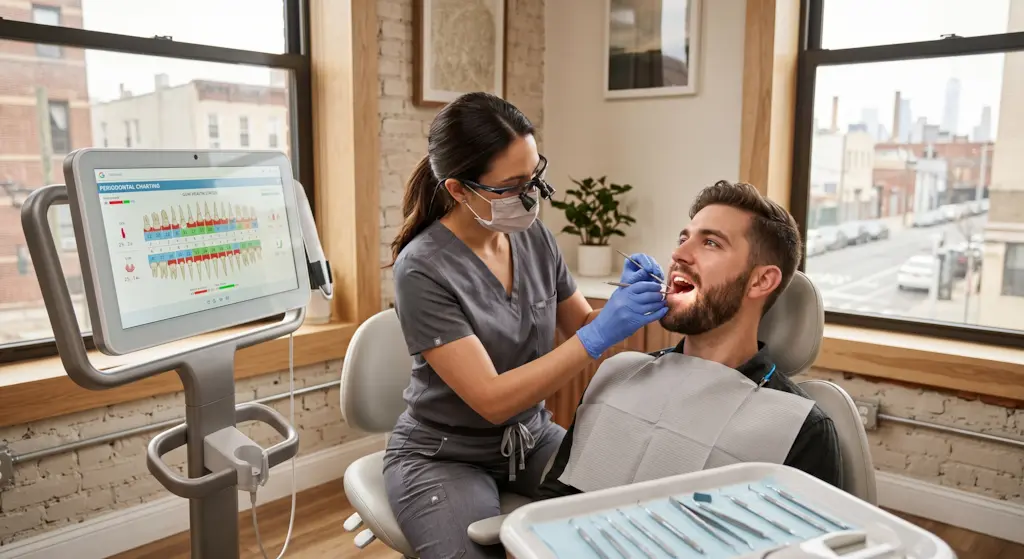
Periodontal Health Guide Bleeding gums aren’t normal — they’re a warning sign. Learn how gum disease develops, what modern treatment looks like, and how to stop it before it becomes serious. Fighting Back: Modern Treatments for Gum Disease in Williamsburg BOOK A PERIODONTAL EXAM VIEW DISEASE STAGES Written by Toothology Editorial Team | Reviewed by Dr. Ayala Lieberman, DDS April 2026 If your gums bleed when you brush, you’ve probably told yourself it’s nothing — maybe you were brushing too hard, or it “just happens.” But persistent bleeding is one of the clearest early signs of gum inflammation, and ignoring it tends to make the problem worse over time. The good news: treatment for gum disease has come a long way, and catching it early usually means simpler care than waiting until it progresses. Gum disease — ranging from mild gingivitis to advanced periodontitis — is more common than many people realise. It often develops quietly without significant pain, which is part of why it can reach a more serious stage before people seek care. What starts as plaque buildup irritating the gums can, if left unaddressed, eventually affect the bone that supports the teeth. The Rise of NY Cosmetic Dentistry: Your Options Most gum problems begin with gingivitis — a mild early-stage inflammation largely caused by plaque accumulation along and just below the gumline. Plaque is a soft, sticky film of bacteria that forms on teeth throughout the day. When it isn’t removed consistently, it hardens into tartar (calculus) — a rough mineralised deposit that can’t be removed at home and provides a surface for more bacteria to collect. Bacteria in plaque and tartar irritate gum tissue and trigger inflammation. Gums become red, swollen, and more likely to bleed during brushing or flossing. The critical point: at the gingivitis stage, damage is limited to soft tissue — bone and ligaments are not yet affected. That’s why gingivitis is often reversible with professional cleaning and improved home care. Gingivitis vs. Periodontitis: What’s the Difference? Gingivitis and periodontitis aren’t the same condition. They represent different stages of gum disease with very different implications for treatment and reversibility. GINGIVITIS Inflammation limited to gum tissue only No bone loss at this stage Often fully reversible with treatment and consistent home care Typically responds well to a professional cleaning plus improved daily habits PERIODONTITIS Infection spreads below the gumline into supporting structures Periodontal ligament and jawbone become involved Bone loss, once it occurs, cannot be reversed with standard treatment Can progress without obvious pain — often discovered at exam IMPORTANT The transition from gingivitis to periodontitis doesn’t happen overnight, but it can happen without obvious pain. Many people are surprised to learn they have early or moderate periodontitis because they haven’t felt significant discomfort. Gum Disease Stages at a Glance Stage Key Signs Typical Treatment Reversible? Healthy Gums Pink, firm, no bleeding. Pocket depth ~1–3 mm Routine cleanings + strong home care N/A (maintenance) Gingivitis Red/puffy gums, bleeding when brushing or flossing, no bone loss yet Professional cleaning + improved home care Often reversible Mild Periodontitis Pocket depths ~4–5 mm, early bone loss on X-ray, persistent bleeding Scaling & root planing, sometimes localized antibiotics Bone loss not reversible; progression can be controlled Moderate Periodontitis Pockets ~5–7 mm, visible gum recession, sensitivity, bad breath Scaling & root planing, closer maintenance, possible specialist referral Manageable and stabilisable Severe Periodontitis Pockets 7 mm+, significant bone loss, loose teeth, tooth loss risk Advanced periodontal therapy, possible surgery, specialist co-management Requires ongoing management Pocket depths and staging are confirmed during a clinical exam and may vary by individual case. Symptoms You Shouldn’t Dismiss BLEEDING GUMS ARE NOT NORMAL Persistent gum bleeding is a sign of active inflammation — not just “brushing too hard.” None of the symptoms below should be dismissed as “just how my mouth is.” Gums that bleed during brushing or flossing, especially for more than a week or two Persistent bad breath (halitosis) that doesn’t improve with regular brushing and rinsing Gums that look redder, puffier, or more tender than usual Gum recession — teeth appearing longer than they used to Pus or discharge near the gumline Teeth that feel loose or have shifted position A persistent bad taste in the mouth that doesn’t go away Sensitivity at the gumline, especially to cold or when eating Advanced Treatment: Scaling & Root Planing (Deep Cleaning) Once gum disease progresses beyond gingivitis — meaning gum pockets deepen and infection spreads below the gumline — a standard cleaning isn’t enough. The most common non-surgical treatment is scaling and root planing, often called a deep cleaning. Despite the clinical name, scaling and root planing is a well-established procedure that typically does not involve cutting or suturing. It’s a more thorough cleaning of the root surfaces and pocket areas below the gumline that routine cleanings can’t reach. Scaling Removing plaque, tartar, and bacterial deposits from tooth surfaces — including below the gumline and inside gum pockets. Both hand instruments and ultrasonic scalers may be used. Root Planing Smoothing root surfaces after scaling. Rough root surfaces trap bacteria, so smoothing helps reduce re-accumulation and supports healthier tissue reattachment over the following weeks. When Localized Antibiotics or Medicated Rinses May Be Used In some cases, deep cleaning alone isn’t enough to fully control bacterial activity in deeper pockets. A dentist or periodontist may recommend adjunctive therapy — such as localized antibiotics placed directly in a pocket, or a prescription antimicrobial rinse for short-term use. Whether this is needed depends on pocket depth, severity, health history, and how tissues respond after deep cleaning. What to Expect After Deep Cleaning Day 1-3 Immediate Post-Treatment Some sensitivity and mild soreness is normal, especially to cold temperatures. Gums may look slightly more receded as swelling reduces — this is expected, not worsening recession. Week 1-2 Inflammation Begins Resolving Bleeding during brushing typically starts decreasing. This is the window where consistent home care has the most impact — brushing at the gumline and flossing daily accelerates tissue recovery. Week 2-4 Noticeable Improvement Many patients notice significantly