
Visiting Brooklyn? Emergency Dental Care for Travelers in Williamsburg

Emergency Dental Care · Williamsburg · For Travelers Toothache, loose crown, cracked tooth — a dental emergency mid-trip is stressful. Here’s exactly what to do right now, how to reach us, and how insurance works as a visitor. Visiting Brooklyn? Emergency Dental Care for Travelers CALL US NOW 30-SECOND ACTION PLAN Written by Toothology Editorial Team | Reviewed by Dr. Ayala Lieberman, DDS May 2026 A dental emergency in the middle of a trip is one of the most stressful things that can happen to a traveller. One moment you are enjoying Williamsburg — and the next you are sitting in your hotel room with a throbbing toothache, a crown in your palm, or a cracked tooth making it impossible to eat. If you are in significant pain right now, call us directly or go straight to the action plan below. 30-Second Action Plan for Travelers 1 Stop and assess. Is this an ER/911 emergency? Breathing difficulty, spreading swelling, uncontrolled bleeding → ER now. 2 If not an ER situation — take OTC pain relief as directed, apply a cold compress to your cheek, and stop eating on that side. 3 Call a local dental office. Give your symptoms, how long they’ve been present, and when you need to travel next. 4 Confirm the appointment, ask about payment options if out-of-state, and bring your insurance details and photo ID. 5 Get evaluated, get treated, and get back to your trip with clear written aftercare instructions. Common Dental Emergencies While Traveling Travel disrupts routines in ways that can accelerate dental problems. Food and drink you wouldn’t normally consume, temperature changes, physical activity, and simply not having your regular dental support nearby can all contribute to situations that require same-day dental attention. The most common issues that bring travelers to a dental office mid-trip include: Severe toothache or dental pain A crown or filling that has come loose or fallen out A cracked or chipped tooth from eating something unexpected A knocked-out tooth following a fall or accident A dental abscess with accompanying swelling Bleeding that will not settle after a minor oral injury When to Go to the ER or Call 911 Instead Most dental emergencies are manageable with prompt dental evaluation — but knowing the difference between a dental emergency and a medical emergency is the first and most important piece of triage. Significant facial or neck swelling that is spreading, or affecting your ability to breathe or swallow Uncontrolled bleeding that is not slowing after 15–20 minutes of steady pressure Signs of spreading infection: high fever, difficulty opening your mouth, confusion, or rapid swelling Severe trauma to the jaw, face, or head following an accident or fall A knocked-out tooth with heavy bleeding or other facial injuries from trauma Any situation where you feel seriously unwell, confused, or unsafe Immediate Steps You Can Take Before You Reach a Dentist Toothache Take OTC pain relief as directed. Apply a cold compress to the outside of your cheek — never directly against the gum. Avoid chewing on that side and avoid very hot or cold food and drinks until evaluated. Lost or Loose Crown Keep the crown. Do not throw it away. Do not attempt to reattach it with superglue or other household adhesive — they are not designed for oral use and can complicate the dentist’s work. Chipped or Broken Tooth Rinse your mouth gently with warm water. If a large fragment has broken off, keep it and bring it to the appointment in a container of water or milk. Knocked-Out Permanent Tooth Time is critical — best outcomes occur within 30–60 minutes. Handle by the crown, not the root. Rinse very gently without scrubbing. Keep moist in milk or between cheek and gum. Call a dental office immediately. Swelling or Possible Abscess Apply a cold compress externally. Do not apply heat. Take OTC pain relief and monitor carefully. If swelling is spreading toward your jaw, neck, or under your eye — go to an ER, do not wait. Oral Bleeding Apply firm, gentle pressure with clean gauze for 10–15 full minutes. If bleeding does not meaningfully slow, go to an ER or urgent care rather than waiting for a dental appointment. Finding a Dentist Near Your Williamsburg Hotel Williamsburg is one of Brooklyn’s most visited neighbourhoods, well-connected by the L and G subway lines and within a short walk or ride of most hotels in the area. Finding a local clinic for same-day dental care starts with a direct call rather than trying to navigate websites under stress. CALL FIRST — DON’T BOOK ONLINE For a dental emergency, a direct phone call is faster and more informative than an online booking form. You can describe your symptoms, confirm availability, and get guidance on what to do before you arrive — all in one call. Search Terms That Work “Same-day dentist Williamsburg Brooklyn” “Urgent dental care near me” or “Emergency dentist open today Brooklyn” “Toothology Dental Williamsburg” — we are located in the neighbourhood and handle traveler emergencies regularly What to Tell the Office When You Call Your primary symptom and how long you have had it Whether you have any swelling, fever, or difficulty opening your mouth When you are due to travel or fly next Your insurance situation: out-of-state coverage or international travel insurance Any known allergies to dental anaesthetics or medications What to Bring to Your Emergency Dental Appointment Photo ID or passport Dental insurance card or travel insurance policy documents — even a screenshot is helpful List of current medications, including blood thinners, bisphosphonates, or immunosuppressants The crown, bridge fragment, or tooth if it came out — store in milk or saline if possible A payment method in case out-of-pocket payment is needed upfront Contact information for your regular dentist at home — useful for record transfer or coordination How We Handle Out-of-State Dental Insurance Insurance coverage for dental emergencies while travelling is one of the most consistently confusing aspects of an already stressful situation. Here’s how the two
Replacing Silver Amalgam Fillings with Natural Composite: What You Should Know

Restorative Dentistry · Patient Guide What you should know about switching from metal to tooth-colored fillings — when it makes sense, what the process looks like, and how to plan for cost and aftercare. Replacing Silver Amalgam Fillings with Natural Composite Written by Toothology Editorial Team | Reviewed by Dr. Ayala Lieberman, DDS May 2026 You open wide for a photo and there they are — dark, metallic glints in the back of your mouth that no amount of brightening seems to hide. For many adults, silver amalgam fillings placed years or even decades ago are the most visible reminder that dental materials have changed significantly since those early appointments. If you are considering whether to replace silver fillings with composite resin, you are far from alone — and the reasons people make this decision are more nuanced than a simple aesthetic preference. Some patients are motivated purely by appearance: they want a smile that looks clean and natural in photographs and on video calls. Others are drawn to metal-free dentistry because of a broader preference for biocompatible materials and a holistic dental approach. If you’re searching for a mercury-free dentist Brooklyn patients trust, the first step is an exam to confirm which fillings truly need replacement. And for a meaningful number of patients, replacement is not elective at all — older amalgam fillings can develop cracks, leaking margins, or recurrent decay underneath that requires attention regardless of material preference. Why Are People Replacing Their Silver Fillings in 2026? The motivations behind replacing old amalgam restorations tend to fall into two broad camps: those driven by aesthetics and patient preference, and those driven by clinical necessity. Aesthetic and Preference-Driven Reasons Silver amalgam fillings were the standard of care for posterior restorations for most of the twentieth century, and many adults still carry them from childhood or young adulthood. Over time, those fillings change. The dark metal color can deepen and spread, giving surrounding tooth structure a grey or bluish tint that was not there when the filling was first placed. For patients pursuing metal-free dentistry out of personal preference, the desire for a smile that looks consistent and natural at every angle is entirely reasonable. Modern resin composite materials have improved considerably in terms of strength, shade matching, and polish retention, and for many patients, the aesthetic outcome is genuinely excellent. When Replacement Is Clinically Recommended Beyond aesthetics, there are situations where replacing an old amalgam filling is the appropriate clinical recommendation rather than simply an elective upgrade: Cracked or Fractured Margins Amalgam fillings can develop stress fractures over time as the metal expands and contracts with temperature changes. Recurrent Decay Underneath Microleakage — the gradual seepage of bacteria and fluids between filling and tooth — can allow new decay to develop at the margins or beneath the filling, often invisibly. Leaking or Open Margins A filling that is no longer sealed against the tooth edge creates a pathway for bacteria and food debris to reach the inner tooth. Sensitivity or Discomfort Ongoing sensitivity to cold, pressure, or sweet foods can sometimes trace back to an old filling that has deteriorated or developed stress on the surrounding enamel. Visible Cracks in the Tooth In some cases, the forces generated by an ageing amalgam restoration contribute to craze lines or full cracks in the tooth walls. Important Replacement should be guided by examination — not reflexive, and not based on general timelines. Your dentist will evaluate each filling individually. The Benefits of Metal-Free, Biocompatible Composite Resin Composite resin is the material used for tooth-colored fillings, made from a mixture of glass or ceramic particles within a plastic matrix. When placed correctly, it bonds directly to the tooth surface using a dental adhesive, which changes the mechanical relationship between filling and tooth compared to the mechanical locking used with amalgam. Category Silver Amalgam Filling Tooth-Colored Composite Resin Appearance Dark grey/silver; visible on molars and premolars; discolors tooth over time Shade-matched to your natural tooth; virtually invisible in photos and daily life How it attaches to tooth Mechanically locked into a prepared cavity — requires some healthy structure to be removed for retention Bonds chemically to the tooth surface — can often preserve more natural tooth structure, especially in smaller restorations Tooth preservation Conventional cavity preparation may remove more healthy enamel for mechanical retention Adhesive bonding allows a more conservative preparation in many cases; less healthy tissue removed Thermal expansion Metal expands and contracts with temperature changes; can stress surrounding tooth structure over time Composite has similar thermal properties to natural tooth; less ongoing stress on enamel walls Longevity factors Very durable under heavy bite forces; large amalgam restorations can last many years Can last many years with good hygiene and appropriate bite management; large restorations may be better suited to onlay/crown Maintenance & staining Does not stain; may corrode and darken over time; corrosion can protect against microleakage in some older studies May discolor slightly over time from coffee, tea, or tobacco; regular polishing and routine cleanings help maintain appearance Best suited for Large posterior restorations with heavy occlusal load; cases where aesthetics are less of a priority Front and visible teeth; smaller/moderate cavities; patients seeking metal-free, tooth-colored restoration Considerations for replacement Replacement is indicated for cracks, fractures, recurrent decay, leaking margins, or at patient request after exam Technique-sensitive; proper moisture control and shade matching matter; large restorations may warrant evaluation for onlay/crown instead A Note on Large Restorations Composite resin is an excellent choice for small to moderate restorations, and in experienced hands it performs well in many posterior situations. However, when an old filling is large, when there is significant underlying decay, or when multiple cusps are involved, an indirect ceramic or composite onlay — or even a crown — may provide better long-term strength and fit than direct composite placement. Safe Removal: How We Protect Your Tooth During the Switch When an amalgam filling is drilled out, the process generates heat, vibration, and a fine aerosol that contains both tooth structure and filling material. Safe
Vaping and Dental Implants: How Nicotine Affects Your Healing Process

Dental Implants · Patient Education If you vape and are considering dental implants, here is what you need to know about nicotine, osseointegration, and how to give your implant the best chance of success. Vaping and Dental Implants: How Nicotine Affects Your Healing Process Written by Toothology Editorial Team | Reviewed by Dr. Ayala Lieberman, DDS May 2026 If you vape regularly and have been looking into dental implants, there is a good chance you have come across some version of the warning: nicotine is not your implant’s friend. But the fuller picture is more nuanced than that — and more useful. Understanding the specific ways vaping affects your mouth and healing tissue during implant surgery helps you make informed decisions, have a better conversation with your dentist, and take practical steps that can meaningfully improve your outcome. THE GOOD NEWS Vaping or smoking is not an automatic disqualifier for dental implants. Many patients who smoke or vape proceed to successful implant treatment — but their outcomes depend significantly on factors like gum health, bone density, nicotine exposure around surgery, and how carefully they manage oral hygiene through the healing process. If you are considering Williamsburg dental implants and currently vape or smoke, the most important first step is an honest conversation with a clinician who can evaluate your specific bone and gum health. Why Nicotine Is the Number One Enemy of Dental Implants Dental implants succeed because of a highly specific biological process: the titanium post placed into the jawbone gradually fuses with the surrounding bone tissue over weeks and months, creating a stable anchor for the replacement tooth. That process — and the gum healing that happens around it — depends entirely on adequate blood supply to the surgical site. Nicotine, regardless of how it is delivered, is a potent vasoconstrictor. That means it causes blood vessels to narrow, reducing the flow of oxygenated blood and the immune cells that circulate with it to the tissue that needs them most during healing. The effects are not subtle or theoretical: gingival (gum) tissue in people with high nicotine exposure heals measurably more slowly, responds less vigorously to infection, and is less capable of maintaining the healthy margin around a newly placed implant. The Difference Between Smoking and Vaping for Implant Risk Combustible cigarette smoking has the most extensive body of research behind it when it comes to implant outcomes — the association between smoking and elevated implant complication rates is well-established in peer-reviewed clinical literature. Vaping is newer, and the long-term data is still developing. But here is the critical point: where nicotine is the active agent, many of the same physiological mechanisms apply. Vaping also introduces its own specific concerns for oral healing that go beyond nicotine alone. Propylene glycol — one of the primary carrier substances in most vape liquids — has been associated with reduced salivary flow and oral dryness. Dry mouth is not merely uncomfortable around dental surgery: saliva is part of the mouth’s first line of defense against the bacteria that cause peri-implant infection. Healing Factor Cigarette Smoking Nicotine Vaping Nicotine-Free Vapor Nicotine-driven vasoconstriction High Combustible delivery provides consistent nicotine dose High Nicotine concentration varies by device and liquid strength Absent No nicotine; vasoconstriction risk from nicotine is not a factor Effect on blood flow to gum tissue Well-documented Reduction in gingival perfusion; directly impairs wound healing Similar concern Similar to smoking when nicotine levels are comparable; less studied overall No nicotine impact No nicotine-related blood flow impact; other aerosol components are less studied Dry mouth (xerostomia) risk Moderate Smoke reduces salivary flow Higher Propylene glycol in aerosol is associated with oral dryness Moderate to high Aerosol components can still reduce salivary protection Oral bacteria / microbiome disruption Well-documented Increases anaerobic pathogen load around implants Emerging evidence Bacterial shifts observed; fewer long-term studies than smoking Less studied Aerosol inhalation through the mouth may still affect oral flora Heat and thermal stress on soft tissue High Combusted smoke carries significant thermal load Lower than smoking Vapor temperature varies by device Lower still Device aerosol is cooler than combusted smoke Peri-implant infection risk Elevated Well-established association in clinical literature Likely elevated Where nicotine is present; evidence still developing Less clear Limited evidence; may still affect oral environment (dry mouth/irritation) Why ‘Smoking and Tooth Implants’ Guidance Applies to Vapers Too The clinical guidance around nicotine and oral surgery was developed primarily around combustible tobacco, but the underlying physiology — reduced gingival perfusion, impaired immune response at the surgical site, slower collagen synthesis — applies wherever nicotine is present. The relevant question is not the delivery method but the nicotine exposure, and a frank conversation about that exposure at your implant consultation is the starting point for building a realistic treatment plan. How Vaping Slows Down Bone Integration (Osseointegration) Osseointegration is the process by which living bone tissue grows into and bonds directly with the surface of the titanium post. It is not metaphorical — under a microscope, the bone cells physically attach to and interlock with the micro-textured implant surface. How Nicotine Interferes With Bone-to-Implant Bonding Bone remodeling — the biological process through which bone tissue builds, breaks down, and rebuilds itself — depends on a well-functioning cellular environment with adequate blood supply. Osteoblasts (the cells that form new bone) and osteoclasts (the cells that resorb old bone) work in a tightly coordinated cycle that is sensitive to vascular health and inflammatory signals. What this means practically is that in patients with significant nicotine exposure, the rate and completeness of bone-to-implant bonding may be reduced. The implant may still integrate — many do — but the risk of incomplete or delayed osseointegration is meaningfully higher. The Bacterial Environment: How Vaping Changes What Lives in Your Mouth Emerging research suggests that regular vaping alters the composition of the oral microbiome — the community of bacteria that inhabit the mouth — in ways that may not favour a healing implant site. Specifically, there is growing evidence that vaping may increase the relative
How to Fix Black Triangles Between Teeth & Gums in Williamsburg

Cosmetic Dentistry Guide · Williamsburg Those dark triangle-shaped gaps between your teeth and gumline? They’re called black triangles — and dental bonding can close them conservatively, often in one to two visits, without touching veneers. How to Fix Black Triangles Between Teeth & Gums in Williamsburg WHAT CAUSES THEM? BIOCLEAR VS. BONDING Written by Toothology Editorial Team | Reviewed by Dr. Ayala Lieberman, DDS April 2026 You spot them in a photo first — small triangle-shaped gaps between your teeth and the gumline, dark against the brightness of your smile. They weren’t as noticeable a few years ago. Now they seem to show up in every picture, and you find yourself angling your head differently or keeping your lips a little lower when you laugh. Those dark spaces are called black triangles — and dental bonding has become a conservative, effective way to close them. Often without removing any tooth structure or committing to porcelain veneers. Black triangles are more common than most people realise — particularly in adults whose gums have receded slightly with age, or whose teeth have shifted after orthodontic treatment. What Are “Black Triangles” and Why Do They Appear? Black triangles are the open, dark spaces that form in the embrasure — the V-shaped area between adjacent teeth near the gumline — when the gum tissue no longer fills that space completely. In a healthy, younger mouth, the interdental papilla (the small triangular flap of gum between each pair of teeth) fits snugly into that space. When it recedes or is absent, a visible gap forms. They tend to be most noticeable in the upper front teeth, and are often described as “aging teeth” or as something that “suddenly appeared” after braces came off. Common Causes of Black Triangles Gum Recession & Tissue Loss Gum tissue can recede gradually due to age, previous gum disease, or bone loss — leaving more of the tooth root exposed and the embrasure open. Triangular Tooth Shape Some people naturally have teeth that taper toward the gumline. When these teeth sit side by side, the contact point sits high and the gap below is wider — even with perfectly healthy gums. Post-Orthodontic Movement Teeth gap closure through braces or aligners can reposition teeth in ways that leave the gum papilla behind, creating visible triangular gaps that weren’t there before. Aggressive Brushing or Flossing Repeated trauma to the interdental papilla — from brushing too hard or snapping floss aggressively — can cause it to shrink or recede over time. Bone Loss from Periodontal Disease When the bone that supports the teeth is lost, the gum tissue that relies on it follows. This is one of the more progressive causes and requires gum health evaluation and treatment before any cosmetic closure. A Simple Self-Check Are you noticing any of the following alongside the gaps? Dark triangle-shaped spaces between upper or lower front teeth Food getting trapped more easily in the gaps between teeth Gum bleeding when you brush or floss Sensitivity near the gumline Teeth that look longer than they used to Recent completion of orthodontic treatment — braces or clear aligners GUM HEALTH COMES FIRST If you’re experiencing bleeding, bad breath, or signs of ongoing gum recession alongside these gaps, a periodontal evaluation should come first. Cosmetic closure over active gum disease or untreated bone loss is not the appropriate starting point — and a responsible dentist will assess gum health before recommending any bonding approach. The Bioclear Method vs. Traditional Bonding Both the Bioclear method and traditional composite bonding work by adding tooth-coloured composite resin to the tooth surface to widen its profile and reduce or close the triangle-shaped gap. Your consultation will confirm which technique — or combination — is the best fit for your specific tooth shape and gum health. HOW TRADITIONAL COMPOSITE BONDING WORKS In a conventional composite bonding procedure, the dentist applies composite resin directly to the tooth surface, sculpts it by hand to the desired shape, hardens it with a curing light, and then polishes it smooth. It’s generally completed in a single appointment and requires no drilling on healthy tooth structure. WHAT MAKES THE BIOCLEAR METHOD DIFFERENT Bioclear uses a matrix system — a thin, transparent form that wraps around the tooth — combined with heated composite resin that is injected into the space. The goal of this injection-moulding technique is to produce a contiguous, seamless filling that flows fully into the embrasure and creates smooth, rounded tooth contours with fewer surface irregularities. SIDE-BY-SIDE COMPARISON Review this as a general guide — your dentist will advise which approach suits your tooth anatomy, gum status, and aesthetic goals. Category Bioclear Method Traditional Bonding What It Means for You How composite is placed Injection-moulded matrix wraps the tooth for a seamless contour fill Composite applied freehand and sculpted by the dentist Bioclear may provide smoother embrasure fill; results depend on the case and clinician Aesthetic outcome Can produce very natural-looking, rounded contours that mimic tooth anatomy Results depend heavily on skill and artistry; can look excellent in experienced hands Both can achieve natural results Stain resistance Polished surface may resist staining somewhat better; requires maintenance Standard composite; more susceptible to surface staining over time Co ee, tea, and smoking a ect both; routine polishing helps either option Plaque retention risk Smooth sealed margins may reduce plaque trapping in the embrasure Open or slightly rough margins can harbour plaque if not well-finished Good oral hygiene and professional cleanings matter with either technique Typical appointment time Often 1–2 visits depending on the number of teeth treated Often 1 visit for mild–moderate cases; more teeth require more time Timeline depends on your case complexity — confirm at consultation Long-term maintenance Periodic polishing/touch-up; avoid biting hard objects; consider nightguard if grinding Same maintenance principles apply; bonding can chip or stain over time Neither option is ‘permanent’ — lifespan depends on habits, hygiene, and gum stability Best suited for Multiple adjacent black triangles; patients wanting very seamless closure Single gaps; mild cases;
Are Your Gums Bleeding? Why You Shouldn’t Ignore Early Signs of Gingivitis
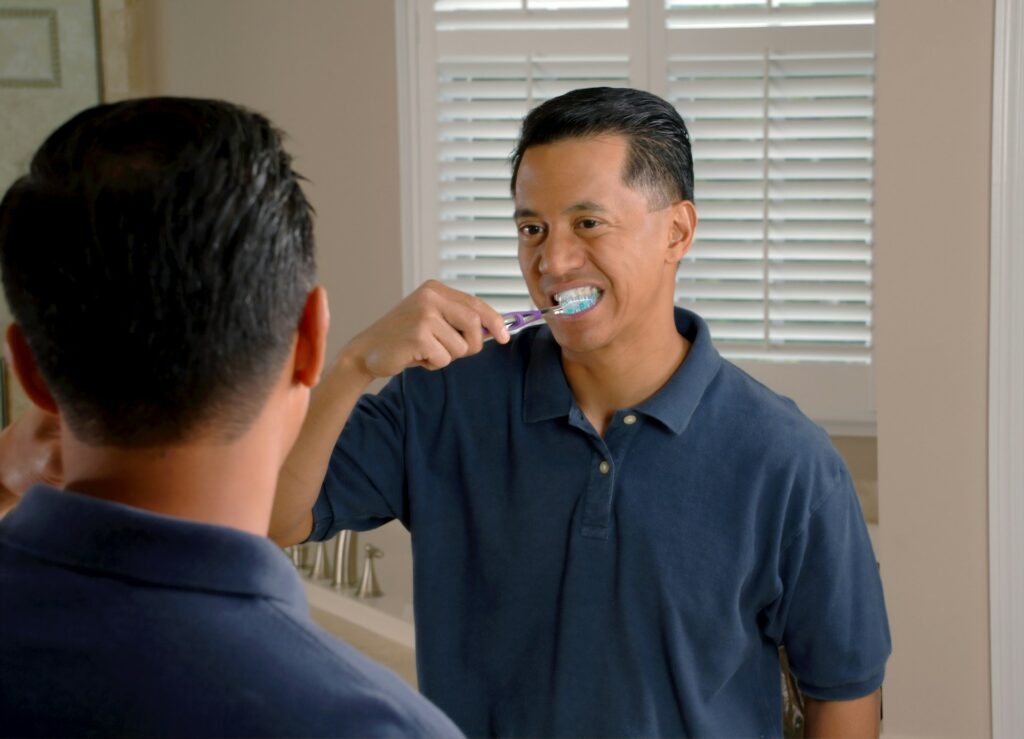
Gingivitis & Gum Health Guide · Brooklyn A tinge of pink in the sink. Tender gums you’ve been brushing off for months. Here’s why bleeding gums matter — and what early action actually looks like. Are Your Gums Bleeding? Why You Shouldn’t Ignore Early Gingivitis SEE THE WARNING SIGNS BOOK A GUM EXAM Written by Toothology Editorial Team | Reviewed by Dr. Ayala Lieberman, DDS April 2026 You rinse after brushing and notice a tinge of pink in the sink. You floss carefully and your gums bleed again. The tenderness along the gumline has been there for a while, but you’ve been telling yourself it’s probably nothing serious. It’s worth paying attention to. Bleeding gums are one of the most common early signs of gum disease. The reassuring part is that, when caught early, gingivitis is usually reversible with professional care and improved home hygiene. The problem is that many people wait until symptoms have clearly worsened before seeing a dentist — and by then, treatment is often more involved. Why Do Gums Bleed? Common Triggers and Risks Bleeding gums are not something you should normalise. Healthy gums do not usually bleed during normal brushing or flossing. When they do, the gum tissue is often inflamed or irritated. The most common reason is plaque buildup. Plaque is a sticky film of bacteria that forms on teeth every day. If it isn’t removed consistently, it can irritate the gums and trigger inflammation — making the tissue redder, puffier, more tender, and more likely to bleed. Over time, plaque can harden into tartar, which can’t be removed by brushing alone. Other Contributing Factors Brushing too hard or with a worn, stiff-bristled toothbrush Not flossing consistently — especially if restarting after a gap Hormonal changes — pregnancy, menopause, or hormonal shifts Certain medications that cause gum overgrowth or dry mouth Smoking or tobacco use — which can mask bleeding and worsen inflammation Dry mouth — reduces saliva that helps protect gum tissue Systemic conditions such as diabetes — linked to higher gum disease risk Genetics — some people are more susceptible regardless of hygiene habits THE SIMPLE RULE If your gums bleed repeatedly during ordinary home care, it’s worth getting checked. A single bleeding episode after aggressive flossing is different from a consistent pattern over weeks. Early Signs of Gingivitis You Shouldn’t Ignore One of the frustrating things about gingivitis is that it’s often painless at first. Many people assume that if they’re not in obvious pain, nothing serious is happening. That’s not always true — and it’s exactly why so many cases of gingivitis progress further than they need to. Gums that bleed when brushing or flossing — especially if this happens consistently Red, swollen, or tender gums — particularly along the gumline Persistent bad breath or a bad taste that doesn’t improve with brushing Puffiness or changes in the gum texture along the gumline Gums that seem to be pulling back or receding — teeth looking longer than before Gum sensitivity that makes brushing or eating uncomfortable A REPEATED PATTERN MATTERS MORE THAN ONE SYMPTOM A single symptom doesn’t confirm a diagnosis, but a repeated pattern — especially bleeding that keeps coming back — should not be dismissed. Early gingivitis that gets addressed promptly is much simpler to treat than disease that has had time to progress. From Gingivitis to Periodontitis: How It Progresses Gum disease usually begins with plaque. If plaque isn’t removed, it can harden into tartar — which brushing alone cannot remove. As bacteria and tartar collect along and below the gumline, inflammation continues and can deepen over time. HEALTHY ✓ Maintenance HEALTHY GUMS Pink, firm, not tender. No bleeding during normal brushing or flossing. Pocket depths within normal range (~1–3mm). Maintained with consistent home care and regular professional cleanings. GINGIVITIS ⚠ Often Reversible GINGIVITIS Inflammation limited to the gum tissue. Red, puffy, tender gums that bleed easily. No bone loss at this stage. Usually reversible with professional cleaning and improved daily home care. The right time to act. PERIODONTITIS ✕ Requires Ongoing Management PERIODONTITIS Infection spreads deeper, affecting the structures supporting the teeth. Gum pockets deepen, bone loss begins. More involved treatment is needed — scaling and root planing, and ongoing periodontal maintenance. Bone loss is not reversible with standard treatment. WHY EARLY ACTION MATTERS Treating gingivitis is usually simpler than managing established periodontitis. The window for reversibility is real — but it closes as disease progresses. Getting checked early keeps the most manageable options on the table. What Gum Disease Treatment in Brooklyn May Look Like If you come to Toothology with bleeding gums, tenderness, or concern about recession, the first step is evaluation — not assumptions. The level of care recommended depends on what the exam shows. What a Typical Evaluation Includes CLINICAL GUM EXAMINATION Visual assessment of gum tissue colour, texture, recession, and swelling around all teeth. PERIODONTAL MEASUREMENTS Pocket depth measurements around each tooth using a periodontal probe — the most direct way to assess disease presence and severity. X-RAYS WHEN INDICATED Dental X-rays can reveal bone levels around tooth roots — important for distinguishing gingivitis (no bone loss) from early or established periodontitis. TREATMENT DISCUSSION A clear conversation about whether this looks like early gingivitis or more advanced disease — and what the recommended treatment path involves before you commit to anything. Treatment Depends on What the Exam Shows EARLY GINGIVITIS Inflammation limited to gum tissue · No bone loss Professional cleaning to remove plaque and tartar above and just below the gumline Personalised home care guidance — technique, tools, and frequency Follow-up to confirm tissue has responded well Return to regular preventive schedule once stable MORE ADVANCED DISEASE Deeper pockets · Bone involvement · Periodontitis Scaling and root planing — a deep cleaning below the gumline to remove deposits from tooth roots and periodontal pockets Localised antibiotics in some cases, depending on severity More frequent periodontal maintenance appointments (every 3–4 months) to keep disease controlled over time Specialist referral if needed
How to Handle a Chipped Tooth: Emergency Bonding vs. Crowns
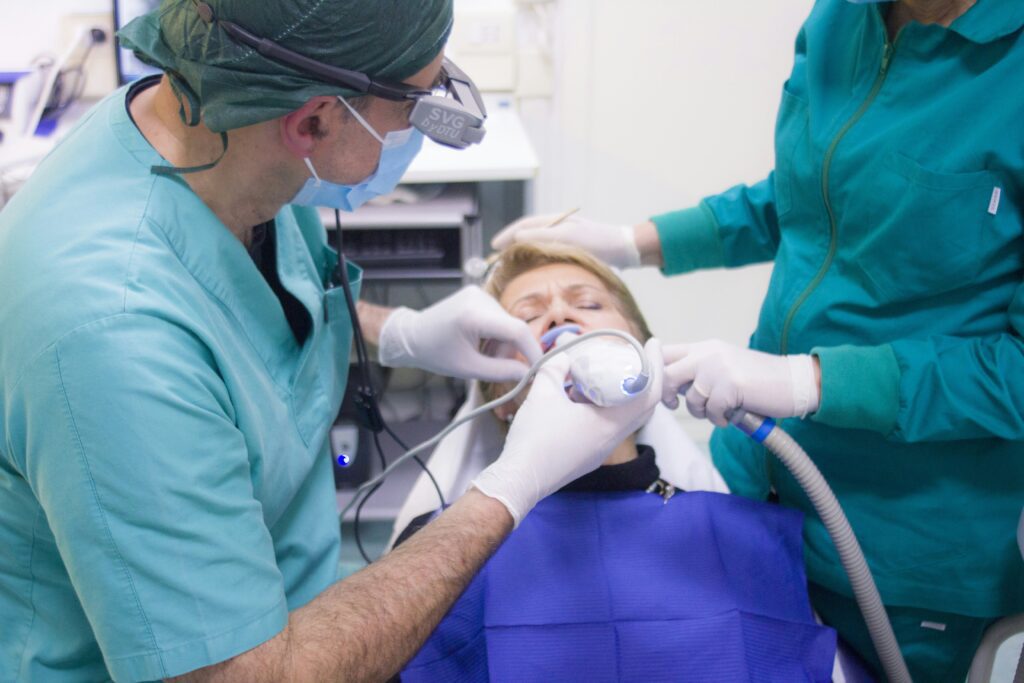
Chipped Tooth Repair Guide · Brooklyn You felt it before you saw it. Now the question is — bonding, a crown, or something else? The answer depends on what the exam actually shows. Here’s what you need to know. How to Handle a Chipped Tooth: Bonding vs. Crowns WHAT TO DO FIRST BONDING VS. CROWN Written by Toothology Editorial Team | Reviewed by Dr. Ayala Lieberman, DDS April 2026 You bite into a crusty piece of bread, feel a tiny crunch that doesn’t belong there, and run your tongue across your teeth. A quick trip to the mirror confirms it: a small notch along the edge of a front tooth, or a corner that wasn’t missing this morning. The good news is that a chipped tooth is one of the most common dental concerns — and in many cases, very fixable. The less-good news is that a chip that looks minor on the surface can sometimes hide a deeper crack, a compromised filling, or a nerve that’s closer to the surface than it should be. This is why every new chip deserves a proper evaluation — even a small one. The right answer — bonding, filling, a crown, or sometimes just smoothing a sharp edge — depends on what the exam actually shows. First Steps to Take When You Chip a Tooth What you do in the first hour or two after chipping a tooth will not save or ruin the tooth. But a few simple steps can make your appointment easier and protect you in the meantime. RINSE GENTLY WITH WARM WATER This cleans the area without disrupting anything further. Avoid forceful rinsing or swishing that could aggravate the area. SAVE ANY FRAGMENT YOU CAN FIND Wrap it in damp gauze or store in a small container of water or milk. Bring it to your appointment — occasionally fragments can be reattached. PROTECT A SHARP EDGE If the edge is sharp and irritating your tongue or cheek, a small piece of sugar-free chewing gum or dental wax (available at most pharmacies) placed over the sharp edge protects soft tissue until your appointment. CALL AND BOOK A SAME-DAY EVALUATION Even if the chip seems cosmetically minor, a prompt appointment — ideally the same day or next available — is the most practical move. Avoid chewing on the side of the chip until you’ve been seen. When It Counts as an Emergency Dental Repair Most chipped teeth are urgent but not emergencies in the medical sense. However, certain signs should prompt you to call the dental office immediately and describe what happened — rather than waiting for a routine appointment. Severe or throbbing pain that does not subside — suggests nerve involvement or a deeper fracture Significant bleeding that does not slow after gentle pressure and rinsing Visible swelling of the face, jaw, or gum around the affected tooth A tooth that is loose in its socket rather than simply chipped Facial trauma that may involve more than the tooth — jaw pain, difficulty opening the mouth, or head injury A knocked-out tooth — a separate situation from a chip, requiring immediate emergency dental care FOR ANY OF THE ABOVE Call the dental office immediately and describe what happened. Toothology offers emergency dental appointments for urgent presentations — same-day availability for acute symptoms. What Your Dentist Checks Before Recommending Bonding or a Crown The evaluation is not a formality — it’s what determines whether the case is straightforward bonding, requires a filling or onlay, or needs a crown. A comprehensive assessment of a chipped tooth typically covers four areas: VISUAL EXAMINATION Size and location of the chip, whether it involves only enamel or extends into dentin, and whether there’s any visible crack line or fracture beyond the chip itself. BITE & OCCLUSION CHECK Where the chipped tooth contacts the opposing teeth matters enormously for treatment selection. A tooth under heavy bite load needs more durable protection than one in a low-pressure zone. DIGITAL X-RAYS Imaging assesses the root and bone, checks for decay beneath the surface, evaluates existing fillings or restorations, and can reveal a crack that extends toward the root — invisible to the naked eye. SYMPTOM REVIEW Whether the tooth is sensitive to cold, hot, or biting; whether the chip happened suddenly on something hard versus gradually; and whether there was pain at the moment of impact. Dental Bonding vs. a Crown: Which Is Right? These two repairs solve different problems. The decision isn’t a preference — it’s a clinical determination based on what the tooth actually needs. DENTAL BONDING Fast, conservative, same-day — for smaller chips and cosmetic repairs Front teeth with visible edge chips or small corner fractures Cosmetic smoothing or reshaping after a small chip Tooth structure is essentially intact — chip confined to enamel or a small portion of dentin Patients who want a conservative option without removing significant healthy tooth structure Cases where same-day repair is clinically appropriate DENTAL CROWN Full-coverage protection — for structurally compromised teeth A significant portion of the tooth is missing — too structurally unstable for bonding alone A cracked cusp where the chip is part of a larger fracture pattern A back tooth under heavy bite load where chewing forces would stress a bonding repair An existing large filling with limited healthy tooth structure remaining A tooth previously treated with a root canal — tends to be more brittle Imaging findings suggesting deeper compromise beneath the visible chip Side-by-Side Comparison Factor Dental Bonding Dental Crown Best For Small to moderate chips, front teeth, cosmetic repairs Large chips, cracked cusps, weakened teeth, back molars Appointments Usually one visit, same day Typically two or more visitsd Anaesthesia Often not needed for small chips Local anaesthesia required Tooth Removal Minimal — conservative preparation More tooth structure removed to seat the crown Material Composite resin — colour-matched to tooth Porcelain, zirconia, or ceramic — highly lifelike Durability Can last many years; may chip or stain over
Professional Teeth Whitening in Williamsburg

Wedding Season Guide · Williamsburg Venue tours, dress fittings, rooftop engagement parties — and a lot more photos than usual. Here’s everything you need to know about whitening your smile before the big day. Get Wedding Ready: Professional Teeth Whitening in Williamsburg SEE THE WHITENING TIMELINE BOOK A CONSULTATION Written by Toothology Editorial Team | Reviewed by Dr. Ayala Lieberman, DDS April 2026 Wedding season in New York has its own kind of momentum. There are venue tours, dress fittings, rehearsal dinners, rooftop engagement parties — and suddenly a calendar full of events where photos matter more than usual. Somewhere in the middle of all that planning, many brides, grooms, and wedding guests land on the same thought: I want my smile to look its best. For many people, that means looking into professional teeth whitening in NYC. It’s one of the fastest cosmetic upgrades available — and when it’s done well, it can brighten your smile without making it look unnatural or overdone. Why Professional Whitening Beats At-Home Kits Walk into almost any pharmacy in Brooklyn and you’ll see whitening strips, pens, trays, and whitening toothpastes. They’re easy to buy and tempting when your event is getting close. But professional whitening and over-the-counter options are not the same — and the differences matter most when you have a real deadline and a real cosmetic goal. Professional Whitening Clinical supervision: a dentist evaluates whether whitening is appropriate before treatment begins Customisation: trays are made to fit your exact teeth for even, consistent coverage Stronger systems: higher-concentration gels not available over the counter Speed and predictability: Speed and predictability: especially with in-office treatment — visible results on a real timeline Safer for complex cases: sensitivity, existing restorations, and gum issues are assessed first Over-the-Counter Kits Lower-concentration gel — results often more limited Generic trays or strips — uneven coverage, increased gum exposure No clinical evaluation — not suitable if you have sensitivity, decay, or restorations Whitening won’t change crowns, veneers, caps, or fillings — which OTC packaging often doesn’t make clear Overuse close to an event is one of the most common ways to end up with irritation instead of results Key Limitation to Know Whitening — professional or OTC — only works on natural enamel. It will not change the colour of crowns, veneers, caps, or fillings. If you have visible restorations on front teeth, this should be discussed at your consultation before starting any whitening. The Best Timeline for Whitening Before Your Big Day One of the most common whitening mistakes is starting too late. Here’s how to think about your planning window depending on how much time you have before the event. 6–8 Weeks Ideal Start Here — The Ideal Planning Window This is the best window for most people. It gives you time for a consultation, treatment, sensitivity management if needed, and a touch-up if necessary. It also creates room for the dentist to identify whether whitening alone will address the main concern — or whether another step like bonding would make a bigger difference. 3–4 Weeks Workable Still Workable — Especially with In-Office Whitening This timeline can still deliver good results, especially with an in-office treatment session. But it leaves less margin for follow-up, sensitivity management, or adjustments if your teeth respond more gradually than expected. Under 2 Wks Urgent Book a Consultation Immediately At this point, book a consultation rather than trying to rush a result with aggressive over-the-counter use. Overusing whitening products too close to an event is one of the easiest ways to end up with irritation or disappointment instead of a cleaner smile. How Fast Can You Brighten Your Smile? The honest answer depends on your teeth, the type of staining, and the whitening system your dentist recommends. Here’s how the main options compare: In-Office Whitening A high-concentration bleaching gel is applied directly to the teeth in the dental chair — sometimes with light activation depending on the system. This is generally the fastest option. For many patients, brightening is visible after a single visit. Fastest Results Single Visit Custom Take-Home Trays Custom trays use a lower-concentration gel worn for a set period each day — typically an hour or overnight — over one to several weeks. Results are more gradual. Custom trays fit your teeth more precisely than generic strips for better, more even coverage. Gradual Results Flexible Schedule Combination Approach Some patients do well with a hybrid plan — an in-office session for a faster initial change, followed by take-home trays to maintain or deepen the result over the following weeks. This can offer both the speed of in-office whitening and the gradual refinement of at-home trays. Best of Both Ideal for Longer Timelines Is Whitening Safe for Sensitive Teeth? Sensitivity is one of the most common concerns around whitening — and it’s a valid one. But having sensitive teeth doesn’t automatically mean you can’t whiten. A dental exam matters here. If you already have sensitivity, worn enamel, exposed roots, or possible decay, those issues should be checked before whitening. Sensitivity can be related to several underlying causes including cavities, fractures, worn enamel, gum disease, or exposed roots — and the dentist should determine which approach is safest for your specific situation. For some patients, a slower take-home system or a modified plan may make more sense than a high-intensity in-office session. The goal is a result you’re happy with — not an approach that causes more discomfort than it’s worth. What Professional Whitening Can and Cannot Fix This is the part many people misunderstand — and it’s worth being clear about before you spend money on a treatment that may not address your main concern. Whitening Works Well For Surface staining from coffee, tea, red wine, and tobacco General dullness or yellowing of natural enamel over time Normal aging-related discolouration on natural teeth A fast, non-invasive cosmetic upgrade before an event Whitening Cannot Fix Crowns, veneers, caps, fillings, or any existing restorations Chips, worn edges, or misshapen teeth Gaps between